Prefer to read offline? Download this article as a PDF
Binaural Beats: A Simple Life Hack for Better Sleep, Focus, and Productivity
In recent years binaural beats have earned a reputation as a simple, effective life hack for better sleep, improved focus, greater productivity and more. Here is everything you need to know about how binaural beats work, and whether they live up to the hype.
What are binaural beats?
Before asking how binaural beats work, or whether they work at all, we need to be clear about what they are. As the name suggests, a binaural beat is what you hear when two slightly different tones are played at the same time, one in each ear. The brain combines them into a single beat that is not actually in either sound.
The claim is that this produces an effect called brainwave entrainment, also known as brainwave synchronization or neural entrainment: the brain’s own rhythms fall into step with an external stimulus. Proponents say the effect can be used to nudge the brain toward states that are useful for everything from sleep to studying (more on this below).
The science is complicated, the idea is simple and possibly even brilliant, and the jury is still out on that last part. Plenty of studies have been done. A 2019 meta-analysis of 22 of them found a modest overall benefit for memory, attention, anxiety and pain, and the same analysis found that listening before a task worked better than listening during it. That is encouraging but not conclusive, and there is a great deal of anecdotal evidence that they help people. Even if much of that turns out to be a placebo effect, it may be one that works for you.
How binaural beats work
As above, a binaural beat is two distinct but similar tones played at once, creating an auditory illusion in which the brain hears a single, lower-frequency beat. One tone goes into the right ear and the other into the left, which is why headphones are required for the trick to work. Done correctly, the brain perceives the difference between the two tones rather than their sum. If a 200 Hz tone is played in one ear and a 210 Hz tone in the other, you hear a single 10 Hz beat. This part is well understood and widely accepted.
The debate is about what happens next. The most thorough study so far, published in 2020, found that binaural beats do entrain brain activity as advertised, but that a simpler control sound (a monaural beat, the same two tones mixed together before they reach the ear) entrained it more strongly, and neither changed the listeners’ mood. So the brain follows the beat; whether following it improves concentration, mood or sleep is still an open question.
Luckily, there do not seem to be any dangerous side effects, and finding some is a single YouTube search away, so the best way to know whether binaural beats are for you is to try them. Before you do, it is worth understanding the different types and what each is supposed to do.

Types of binaural beats
There are five categories of brainwave frequency patterns used to describe levels of activity in the human brain: delta, theta, alpha, beta and gamma. When we sleep, relax or meditate the brain is in the lower-frequency delta and theta states. Alpha is a transitional state between those and the higher beta and gamma states, which go with alertness and demanding thinking. There are five kinds of binaural beat to match, and here is what each is claimed to do.
Delta: 0.5 to 4 Hz. Associated with deep, dreamless sleep. Binaural beats in this range are claimed to help you fall into deep sleep.
Theta: 4 to 8 Hz. Meditation, creative thought and REM sleep happen in this state. If you want a nudge in those directions, this is the pattern to try.
Alpha: 8 to 12 Hz. The lower end goes with relaxation and calm; the upper end is the one people use for focused tasks such as writing and studying.
Beta: 12 to 35 Hz. Claimed to increase alertness and concentration, though the upper end of the range can leave some people feeling edgy.
Gamma: 35 to 50 Hz. Associated with high alertness. Jumping straight into this range after sleep or meditation can feel unpleasant, so ease in.
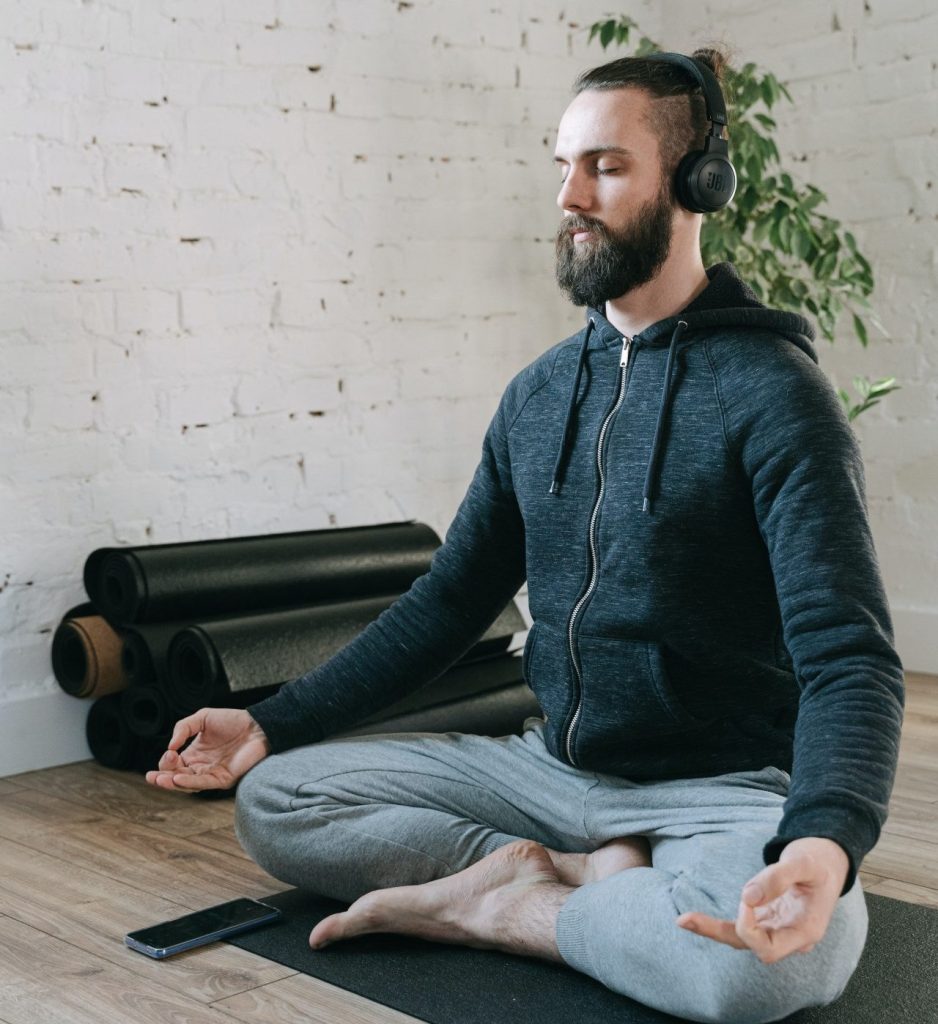
There are no hard boundaries between these states, so treat the list as a reference point rather than a rulebook. Binaural beats are safe, and the worst you should expect is mild discomfort if the volume is too high or you listen for too long. At best, you may have found a life hack that works for you. Talking of which…
Hacking your attention with FocusMe
There are a lot of supposed life hacks out there, and very few stand up to scrutiny. The proof of the pudding is in the eating (and in reliable third-party reviews), and we are confident FocusMe delivers on both. If you are looking for a reliable way to take back your attention and beat digital distractions, you are in the right place.
FocusMe blocks the websites and apps you choose, on your computer and your phone, on a schedule or a timer, so that the music can do its work without a feed in the next tab. For the days a plan has to hold, Enforced Mode means the plan runs to its end; while it runs it cannot be stopped or weakened, only made stricter. Whether you need it yourself or for your whole team, you can learn more about how it works, or try it free for 14 days with the button below.
Frequently Asked Questions
What are binaural beats?
Binaural beats are an auditory illusion created when two slightly different frequencies are played in each ear, leading the brain to perceive a third “beat” frequency.
How do binaural beats work?
The brain processes the difference between the two frequencies, potentially influencing brainwave activity and altering mental states, such as relaxation or focus.
Can binaural beats improve focus and concentration?
Some people find that beats in the alpha and beta ranges help them concentrate, and a 2019 meta-analysis found a modest benefit for attention. Results vary from person to person, so try them and judge for yourself.
Do binaural beats help with sleep?
Binaural beats in the delta and theta frequency ranges are claimed to promote deep relaxation and better sleep, and many people use them for that. The evidence is limited.
Are binaural beats scientifically proven?
Research is still ongoing. A 2019 meta-analysis found modest benefits for memory, attention and anxiety, while a 2020 study found that the beats entrain brain activity but did not change mood. More evidence is needed for conclusive proof.
Can binaural beats reduce stress and anxiety?
Frequencies in the alpha and theta ranges are associated with relaxation, and some studies have found a small reduction in anxiety. They are not a substitute for treatment if anxiety is affecting your life.
How long should I listen to binaural beats for them to be effective?
Most studies use sessions of 15 to 30 minutes, and listening before a task appears to work better than listening during it. Individual results vary.
Do I need headphones to listen to binaural beats?
Yes, binaural beats require headphones to work effectively, as each ear needs to receive a different frequency for the illusion to occur.
Are there any side effects of listening to binaural beats?
Binaural beats are generally safe, but some people may experience dizziness, headaches, or discomfort, especially at high volumes or after prolonged use.
Can binaural beats replace meditation or therapy?
Binaural beats can complement relaxation techniques like meditation but should not be considered a substitute for professional therapy or medical treatment.