Prefer to read offline? Download this article as a PDF
The examination period is often associated with pressure, long hours of study, and high expectations. While studying for exams is essential, it is equally important to focus on your mental and physical well-being. Exam burnout is more common than many students realize and can affect concentration, motivation, and overall academic performance. This guide will help you understand how to prevent exam burnout, stay productive and focused, apply effective exam focus tips, and maintain your well-being with proven, practical techniques.
What is Exam Burnout?
Exam burnout is a condition of physical, mental, and emotional exhaustion caused by excessive pressure and work. This condition normally results from continuous study without any form of relaxation.
Common Symptoms of Burnout
- Constant tiredness despite enough rest
- Inability to concentrate and focus
- Lack of motivation to study
- Increased irritability and anxiety
- Decline in academic performance
Recognizing these symptoms early is the first step to putting them right.
Why Burnout Happens During Exams
Understanding the causes of burnout helps to prevent it effectively.
1. Unrealistic Study Schedules
Most students set extremely ambitious study schedules that are not only hard to follow but also cause frustration.
2. Lack of Breaks
Studying for long hours non-stop negatively affects your productivity and limits your ability to remember information.
3. Poor Sleep Patterns
Late-night study sessions disrupt your sleep rhythm, which makes it harder to concentrate in the exam itself.
4. High Expectations
Pressure from yourself, your family or your peers adds stress, and that stress is what tips over into burnout.
5. Neglecting Physical Health
An empty stomach, lack of physical movement, and dehydration can all be detrimental to the supply of energy and the functioning of the brain.
How to Focus During Exams Without Burning Out
Want to know how to focus during exams? Maintaining focus is essential for exam productivity, but it should not come at the cost of well-being.
1. Follow the Pomodoro Technique
Study for 25 to 50 minutes, then take a 5 to 10 minute break. This method improves concentration and prevents mental fatigue.
2. Give priority to important topics
Concentrate on subjects or units carrying more weight first. This will not only help you use your time in the most productive way but also minimize stress if you have to revise late.
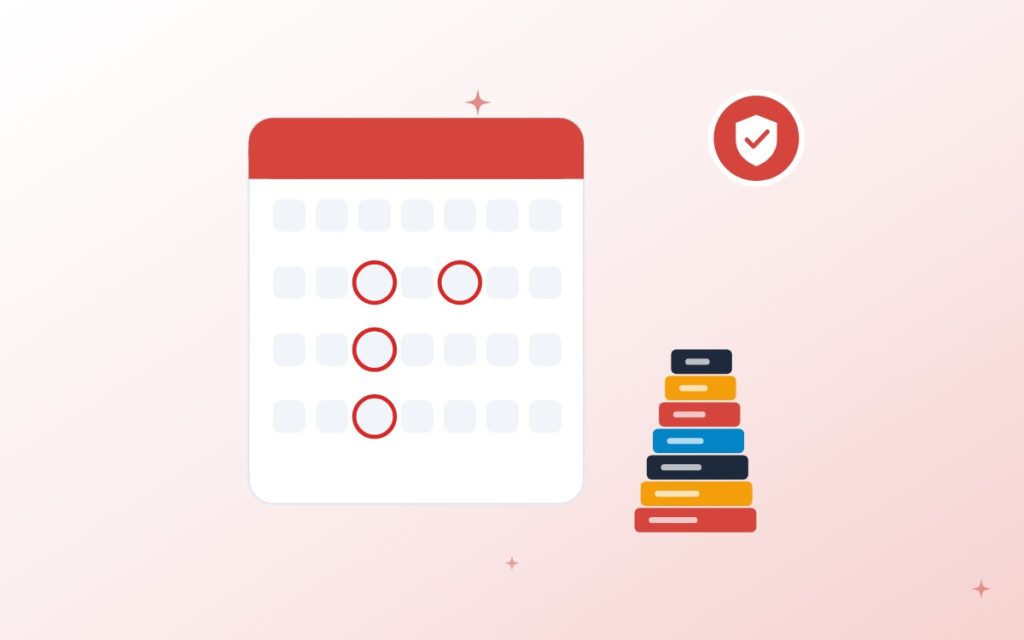
3. Prepare a practical study schedule
Divide your course material into smaller sections. Try not to pack everything in one day.
4. Employ active learning strategies
Rather than just reading, you could try:
- Practice tests
- Flashcards
- Teaching concepts to someone else
Such activities help you remember more efficiently and keep you interested in the subject.
Managing to keep your concentration during exams is a major factor in preventing you from getting overwhelmed and getting the most out of your results.
Exam Focus Tips for Better Productivity
Improving exam productivity is key to avoiding exam burnout and maximizing results.
1. Get rid of distractions
Silence your phone, and use a blocker such as FocusMe to keep social media out of reach during your study time, on your computer and your phone.
FocusMe
Block the sites and apps that pull you off a study session, on a timer or a schedule, on your laptop and phone.
Try it free for 14 days2. Create a study-friendly environment
A neat and bright place will help you concentrate and is less likely to cause you stress.
3. Stay hydrated and nourish your brain
Eat food like nuts, fruits, and whole grains to provide your body with energy and concentration.
4. Decide on your objectives
Be very specific about what you will be doing in each study session. Doing this will help you stay driven and well organized.
The Importance of Breaks and Rest
Taking breaks is not a waste of time. It is essential for sustained productivity.
Types of Effective Breaks
- Short walks
- Stretching exercises
- Listening to music
- Meditation or deep breathing
Breaks can be very effective for refreshing the mind and retaining information for longer periods.
Sleep: The Most Underrated Study Tool
Sleep is one of the most underrated study tools that can be very effective for retaining information.
Tips for Better Sleep During Exams
- Aim for 7 to 8 hours of sleep every night
- Avoid screens at least 30 minutes before sleeping
- Maintain a sleep schedule
A well-rested mind is better than an overworked one.
Managing Stress During Exams
Managing stress is what keeps pressure from turning into burnout.
1. Practice Mindfulness
Practicing mindfulness can be very effective in reducing stress and staying focused.
2. Stay Positive
Focus on progress instead of perfection.
3. Take Time for Yourself
Keep some time each day for the things you enjoy.
Physical Activity and Its Role in Productivity
Exercising is often overlooked during exams, but it is very effective.
Benefits of Physical Activity
- Improves your mood and reduces stress
- Helps to stay focused and improve memory
- Increases energy levels
Even 15 to 20 minutes a day makes a difference.
How to Stay Motivated During Exam Preparation
Here is how to stay motivated while you prepare, without burning out.
1. Reward Yourself
Reward yourself for your achievement of your goals. For instance, your favorite snack, taking a break, or watching an episode of your favorite show can make the experience less exhausting. The reward will create a positive connection with your productivity and encourage consistency in your studying.
2. Track Your Progress
Tracking your progress will give you the confidence and motivation to do better. You can use a planner or an app to monitor your study goals and achievements. Seeing your progress creates a sense of accomplishment, helping you stay motivated even when exam preparation feels overwhelming. This simple habit can also reduce stress and lower the risk of exam burnout by making your workload feel more manageable.
3. Study with a Partner
Studying with a partner can make the experience more engaging and relaxing. A partner will not only encourage you to remain motivated but will also make the complex topics easy to comprehend. The experience will also make the exam less stressful, keeping your motivation high.
Mistakes to Avoid During Exams
Avoiding mistakes will help you avoid burnout and be more efficient. Let’s take a look at some of the mistakes that you need to avoid during exams.
- Studying continuously without breaks
- Not eating and sleeping
- Comparing yourself to others
- Too much to do in a day
- No time for your mental health
Quick Checklist: How to Avoid Burnout During Exams
Here is a quick checklist of things you can follow to ensure that you don’t burn out during your exams.
- Make a doable study plan
- Take breaks
- Get enough sleep
- Drink water and eat healthy food
- Learn to manage stress
- Exercise regularly
- Stay organized and focused
Final Thoughts
Preventing burnout during exams is not about cutting your study hours but about studying efficiently. Keep a fair balance between work and rest and the rest follows: better concentration, better recall of what you studied, and better results.
Using some good exam focus tips and developing sustainable study habits allows students to do better academically without losing their health in the process. Steady study, real breaks and a good mood matter as much as hard work in the weeks before an exam.
FocusMe for students
Study without the tabs that eat the evening
Block the sites and apps that pull you off a study session, on a timer or a schedule, on your laptop and phone.
Start your free 14-day trialNo credit card needed.
FAQs (Frequently Asked Questions)
What are the early signs of exam burnout?
Common signs include constant tiredness, lack of motivation, difficulty concentrating, irritability and feeling overwhelmed even with simple tasks.
How can I create a study routine that prevents burnout?
Build a balanced schedule with realistic goals, dedicated study blocks and regular breaks. A structured routine reduces stress and keeps your workload manageable.
Why are breaks important during exam preparation?
Your brain cannot focus for long continuous periods. Taking short breaks helps restore attention, reduce stress and improve memory retention.
How much sleep should I get during exams?
Aim for 7 to 8 hours of quality sleep each night. Sleep is essential for memory consolidation, focus and overall mental performance.
Can over-studying lead to burnout?
Yes. Studying for long hours without rest can reduce productivity, increase stress and lead to mental exhaustion, making learning less effective.
How can I stay motivated without burning out?
Focus on consistency rather than intensity. Small, regular study sessions are more effective than long, exhausting cram sessions.
Does physical activity help reduce exam stress?
Yes, light exercise like walking or stretching improves mood, boosts energy levels and helps clear your mind during intense study periods.
How can I manage stress during exams?
Techniques such as deep breathing, mindfulness, and breaking tasks into smaller steps can help reduce anxiety and improve focus.
Should I study continuously until exams are over?
No, it’s important to maintain balance. Include time for rest, meals and relaxation to keep your energy levels stable throughout the exam period.
How can I avoid last-minute burnout before exams?
In the final days, focus on revision rather than cramming new material. Prioritize rest, light review and staying calm to perform at your best.
Want to talk it through? Join the FocusMe community