Prefer to read offline? Download this article as a PDF
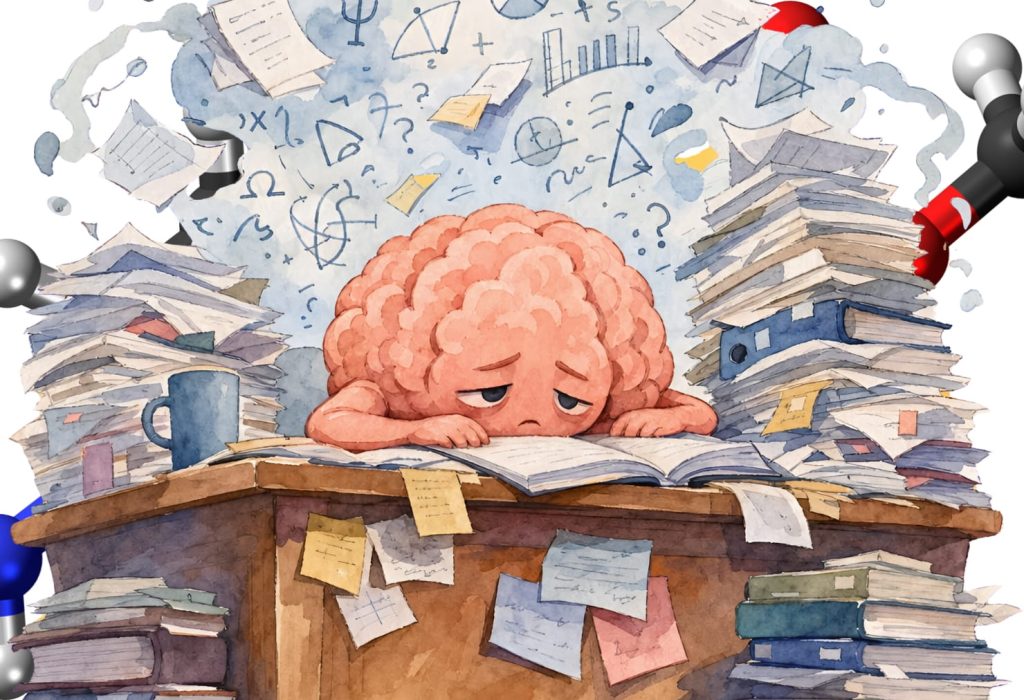
Have you ever ended your day feeling completely worn out, even though you just sat at a desk the whole time? You didn’t run, lift anything heavy or walk very far. But your brain feels exhausted, like you have nothing left to give.
This happens to a lot of people and there’s a simple reason for it: your brain gets tired too, not just your body. Sitting still doesn’t mean your brain is resting. It might have been working harder than you realized. This can be especially noticeable for people with ADHD-style brains, who may find it harder to filter distractions and manage attention.
The good news is that you can reduce this mental pressure. Simple changes to your digital environment and daily routine can give your brain more space to rest and focus. Let’s look at why this happens and what you can do about it.
Your Brain Is Working Even When Your Body Is Resting
Your body might be relaxed in a chair, but your brain is busy the whole time. Even during a quiet day, it may be:
- Reading messages
- Checking notifications
- Remembering things you need to do later
- Making small choices, like what to reply or what to click
- Switching between apps, tabs, or tasks
- Trying to ignore things that distract you
None of these things feel hard on their own. But when your brain handles them hundreds of times in one day, it can leave you feeling like your brain feels exhausted.
This is one reason tools like FocusMe can be useful. By reducing unnecessary digital distractions, FocusMe can help create a quieter environment where your brain has fewer things competing for its attention.
What Is “Brain Overload”?
Brain overload happens when your mind has too much to deal with at once. Too many messages. Too many tasks. Too many things are pulling at your attention from different directions.
Think of your brain as a phone with too many apps open at the same time. Eventually, everything slows down. Your brain works in a similar way.

Some common signs of brain overload include:
- Trouble concentrating
- Forgetting small things easily
- Feeling irritable or short-tempered
- Feeling mentally tired, even after a normal day
- Struggling to make decisions
- Losing interest in doing things you’d normally enjoy
Your brain usually isn’t tired because you worked hard on one big thing. It is tired because it never got a real break.
Constant Notifications Keep Your Brain Busy
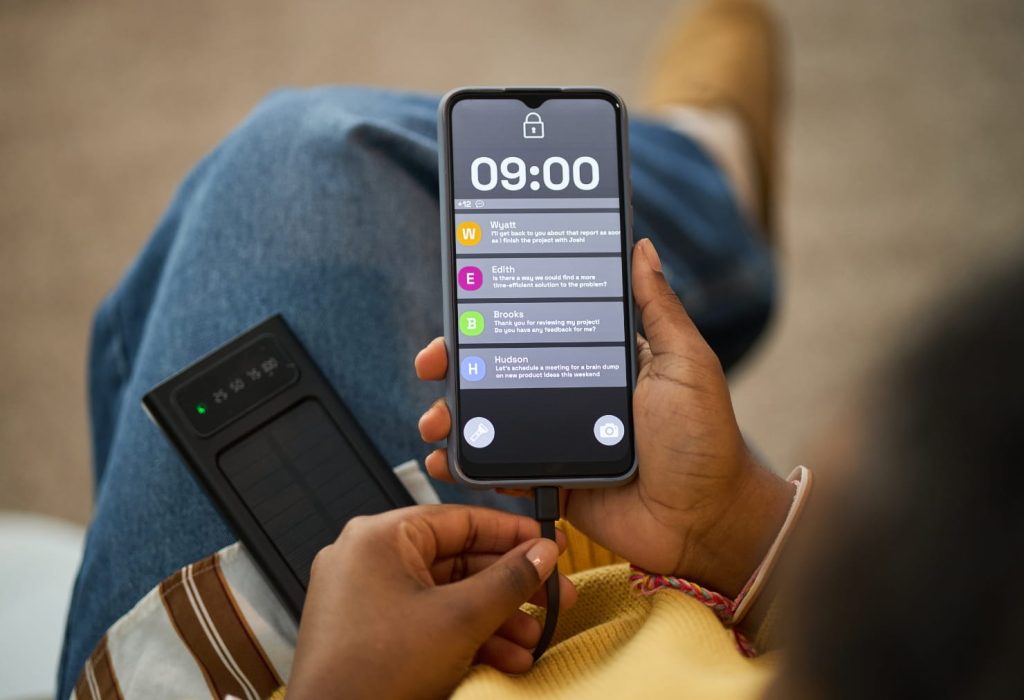
A single notification only takes a few seconds to check. But its effect on your focus lasts much longer than that.
Say you’re in the middle of writing something and your phone buzzes. You glance at it, reply, and go back to work. A few minutes later, it happens again.
Every time this occurs, your brain has to stop, shift its attention and then try to refocus. If this repeats many times a day, it becomes harder and harder to settle into deep, focused thinking.
Even if you don’t check every single notification, just knowing something is waiting for you can keep your brain a little bit alert in the background. That constant low-level alertness slowly adds up, making your brain feels exhausted by the end of the day.
Using FocusMe to block distracting websites and apps during work sessions can help reduce these interruptions and give your attention more space to settle.
Why Task Switching Makes Your Brain Feels Exhausted
Many people believe multitasking helps them get more done.
For example, you might try to:
- Answer emails
- Attend a meeting
- Check Slack
- Write a report
- Look something up online
All at the same time.
But your brain isn’t really doing everything simultaneously. It is quickly moving from one task to another. That constant switching takes mental effort.
Why ADHD-Style Brains May Feel This More
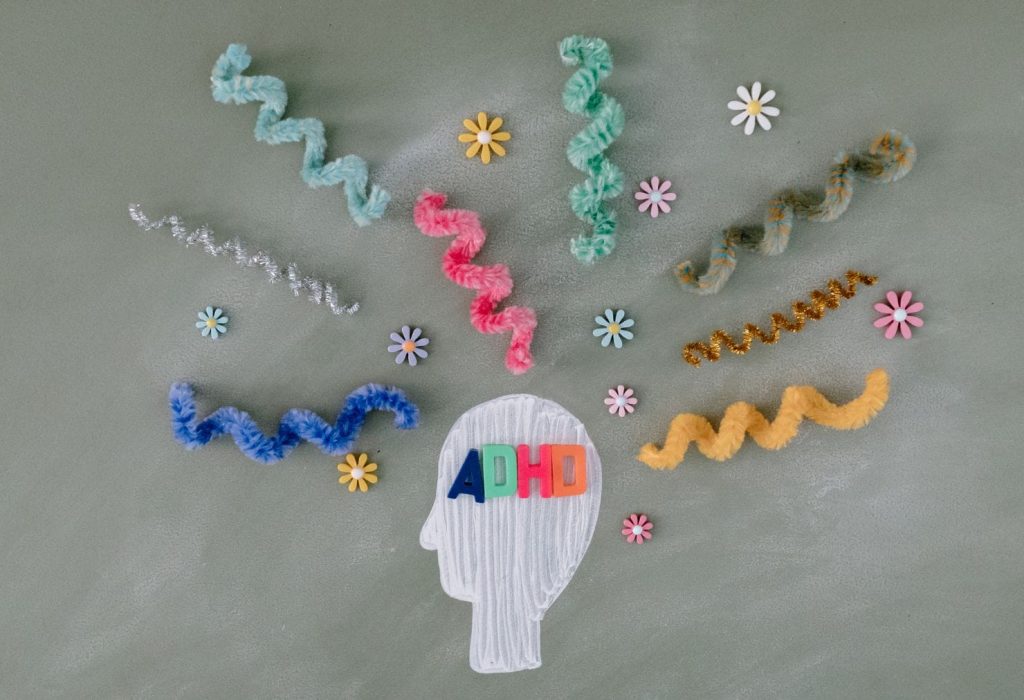
People with ADHD-style brains may experience challenges with attention, distractions, task switching, and managing mental stimulation.
This doesn’t mean everyone who feels mentally tired has ADHD. Brain fatigue can happen to anyone.
However, people who naturally struggle with filtering distractions may find a noisy digital environment even more tiring.
A phone buzzing beside you, several browser tabs open, messages appearing, and multiple tasks waiting can make it harder to decide what deserves your attention.
The result can feel like your brain is constantly jumping from one thing to another.
Your Digital Environment Can Make Things Worse
Your surroundings affect how much mental effort you use.
Imagine sitting down to work with:
- 20 browser tabs open
- Email notifications appearing
- Social media one click away
- Messages coming in
- Your phone next to you
- Several unfinished tasks on your screen
Even if you are only working on one task, your brain has to deal with everything else in the background.
A cleaner digital environment reduces that pressure.
You don’t need to delete every app or stop using technology. You simply need to make it harder for unnecessary distractions to reach you.
Create Focus Sessions Instead of Working Nonstop
Working for hours without a break doesn’t always mean you’re being productive.
Your brain needs time to recover.
Try creating short focus sessions.
For example:
- 30 minutes: Focus on one task
- 5 minutes: Take a break
- 30 minutes: Return to your task
- 10 minutes: Step away from the screen
During your focus period, remove unnecessary distractions. This gives your brain a clear job: focus on this one thing.
How FocusMe Can Help Reduce Brain Overload
Sometimes simply knowing what distracts you isn’t enough to stop you from getting distracted. If social media, games, or videos are always just a tap away, it’s easy to give in, even when you don’t mean to.
This is where a tool like FocusMe can help. It allows you to:
- Block distracting websites
- Block distracting apps
- Schedule dedicated focus sessions
- Set limits on screen time
- Create separate “work” and “relax” modes
- Build consistent daily routines
Instead of fighting the same temptation over and over throughout the day, you set the rules once, ahead of time. That way, your brain doesn’t have to keep making the same difficult decision again and again.
The Bottom Line
Feeling tired after a day of mostly sitting doesn’t mean you’re lazy. It usually means your brain has been working hard behind the scenes, even if your body wasn’t.
Constant notifications, repeated task-switching, and too much incoming information can all add up to real mental fatigue by the end of the day.
If your brain feels exhausted, try simplifying things. Cut down on unnecessary notifications, focus on one task at a time, take real breaks, and give yourself some time away from screens each day.
This matters even more for people with ADHD-style brains, where a calmer, less cluttered environment can make a noticeable difference in how manageable the day feels.
You don’t have to fill every single minute with activity or work. Sometimes, the kindest thing you can do for your brain is simply give it less to process.
FAQs (Frequently Asked Questions)
Why does my brain feel exhausted after sitting all day?
Your brain can become tired from constant thinking, decision-making, notifications, and task switching. Physical movement isn’t the only thing that causes tiredness.
What is brain overload?
Brain overload happens when your mind has too much information, too many tasks, or too many distractions to handle comfortably. It can make focusing and making decisions harder.
Can screen time make your brain feel tired?
Yes. Long periods of screen use, especially with constant switching between apps and content, can leave you feeling mentally drained.
Why does multitasking make me tired?
Multitasking makes your brain switch between tasks repeatedly. This takes mental effort and can leave you feeling tired even if you didn’t complete much physical work.
Can ADHD-style brains experience more mental fatigue?
They can. People with ADHD-style attention challenges may find constant distractions and task switching especially difficult to manage, which can increase mental strain.
How can I reduce brain overload?
Start by reducing unnecessary notifications, closing unused tabs, focusing on one task, and taking regular breaks. A simpler environment can make your day easier to manage.
Can FocusMe help with mental fatigue?
FocusMe can help reduce digital distractions by blocking websites and apps during focused work sessions. This can make it easier to stay on one task without constantly switching.
How long should a focus session be?
Start with 20 to 30 minutes if you find it difficult to concentrate. As your focus improves, you can slowly increase the length of your sessions.
Should I take breaks even when I am busy?
Yes. Short breaks give your brain time to recover. A few minutes away from your screen can help you return to your work with a clearer mind.
What is the easiest way to give my brain a break?
Step away from your screen, silence unnecessary notifications, and do something simple such as walking, stretching, or sitting quietly for a few minutes.