Prefer to read offline? Download this article as a PDF
If you find it harder to focus than before, then you are not alone. You sit down to work, but your mind keeps drifting. You check one thing, then another and before you know it, your time is gone. Even simple tasks feel heavy. The good news is that you can train your brain to focus again with small daily habits and consistent practice.
The reality is, your brain hasn’t lost the ability to focus. It’s just out of practice. Constant notifications, scrolling and multitasking have trained your mind to expect quick stimulation. And you can train it back.
Not overnight, but step by step. This 7-day plan is simple, practical and easy to follow. You don’t need extreme changes. Just small daily actions that help your brain rebuild focus naturally.
Day 1: Clear Your Digital Space
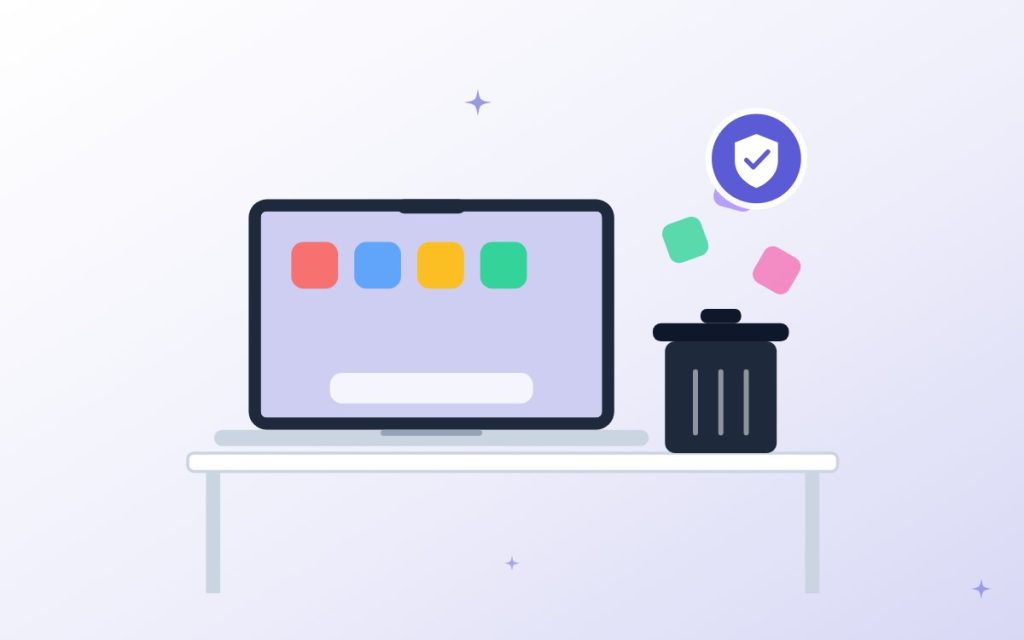
Focus starts with your environment. Before you try to concentrate, remove what pulls your attention away.
Start by:
- Closing extra tabs
- Cleaning your desktop
- Removing unnecessary apps from your screen
- Turning off non-essential notifications
You don’t need a perfect setup. Just reduce the noise.
A cleaner space makes it easier for your brain to settle. For the longer-term version of this, see the guide to digital minimalism.
Day 2: Start With Short Focus Sessions
Don’t try to focus for hours right away. That isn’t a healthy practice either, because it can put unnecessary strain on your mind and make it harder to build a steady, sustainable focus habit over time.
Instead, start small:
- 20 to 25 minutes of focused work
- 5-minute break
Repeat this 2 or 3 times. Short sessions feel manageable. Your brain doesn’t resist as much. Over time, you can increase the duration. You can use Pomodoro timing in FocusMe for this.
FocusMe
Block the sites, apps and games that pull you back, on a schedule you set in advance, with protection that holds until the time is up.
Try it free for 14 days 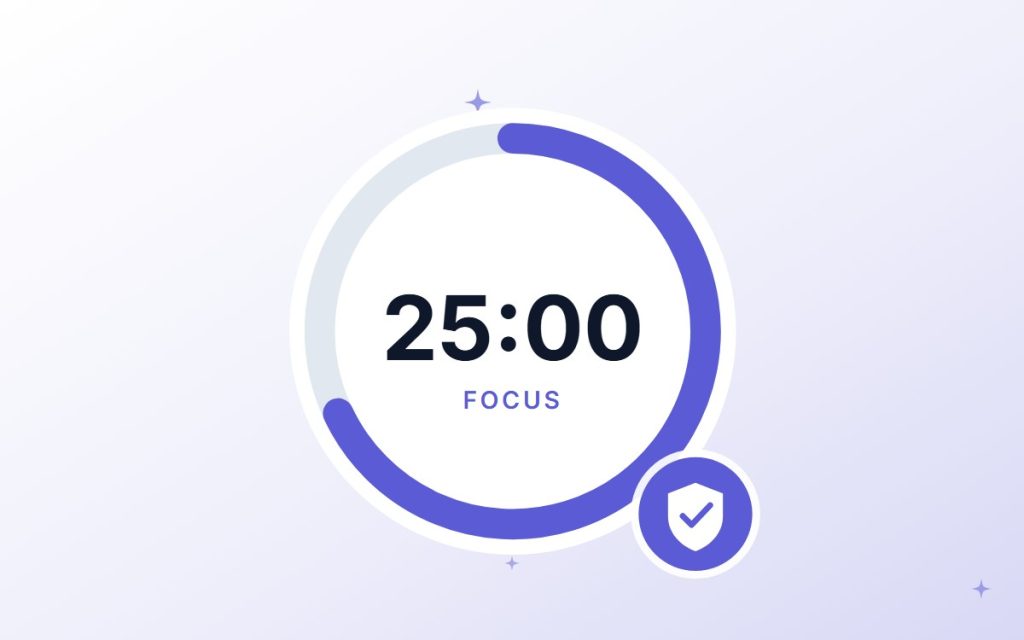
Day 3: Remove Easy Distractions

By now, you will notice what pulls you away the most. For a more in-depth look, Coach in FocusMe, if you turn it on, reads your computer activity and points out your distraction patterns.
It could be:
- Social media
- YouTube
- Messages
- Random browsing
Instead of fighting these distractions, remove them during your work time. This is where FocusMe helps.
You can block distracting apps and websites during your focus sessions so your attention stays in one place. It removes the need to rely on willpower. When distractions are not available, focus becomes easier.
Day 4: Stay With One Task
Multitasking weakens focus.
Today, practice doing one thing at a time.
- One tab
- One task
- One goal
Even if your mind tries to switch, gently bring it back. This might feel uncomfortable at first. That’s normal. Each time you bring it back, you are teaching it to stay with one thing instead of jumping from one distraction to another.
Day 5: Add a Simple Routine
Your brain works better with patterns. Choose a fixed time for focused work every day. A Coach report, built from your own activity, can show when you usually get the most done.
For example:
- 9 AM to 10 AM
- 7 PM to 8 PM
During this time:
- No distractions
- No switching
- Just one task
With FocusMe, you can schedule these sessions so your device automatically blocks distractions at the same time every day. This builds consistency without effort.
Day 6: Take Better Breaks
Not all breaks help your brain. Scrolling during breaks keeps your mind stimulated and makes it harder to refocus.
Instead, try:
- Walking
- Stretching
- Drinking water
- Sitting quietly
Give your brain real rest. Better breaks mean better focus when you return.
Day 7: Build a Focus Habit
By now, you have:
- Cleaned your space
- Reduced distractions
- Practiced short sessions
- Built a routine
Today is about repeating what works.
Pick:
- One focus time
- One task
- One distraction-free session
Keep it simple. Focus improves with consistency, not intensity.
What You’ll Notice After 7 Days
If you follow these steps, you may start to notice small changes:
- You start tasks faster
- You get distracted less
- Your mind feels calmer
- You can focus for longer
- Work feels more manageable
These are early signs that your brain is adjusting. Keep going, and the results get stronger.
Why This Works
Your brain adapts to what you repeat. If you constantly switch tasks, your brain learns to stay distracted. If you create focused, distraction-free time, your brain learns to stay with one task.
Tools like FocusMe support this process by removing digital distractions and helping you build consistent focus habits. Instead of relying on motivation, you create a system that works every day.
Final Thoughts
You don’t need to force focus. You need to rebuild it. In just 7 days, you can start to train your brain to slow down, stay present, and work with more clarity. Start small, stay consistent and remove distractions.
And most importantly, give your brain the space it needs to focus again. Over time, these small changes turn into strong habits. When your environment supports you, staying focused stops feeling difficult and starts feeling natural.
FocusMe
Make the habit you want the easy one
Block the sites, apps and games that pull you back, on a schedule you set in advance, with protection that holds until the time is up.
Start your free 14-day trialNo credit card needed.
FAQs (Frequently Asked Questions)
Can I really improve focus in 7 days?
Most people notice a difference within a few days: starting tasks and staying with them feels easier. Seven days starts the habit; it does not finish the job.
What if I still get distracted?
That’s normal in the beginning. Just bring your attention back each time and continue. Over time, your focus will improve naturally.
Do I need special tools to follow this plan?
No, you can start without tools. But using FocusMe can make things easier by blocking distractions and helping you stay consistent.
Should I avoid my phone completely?
No, you don’t need to avoid it completely. Just limit phone use during your focus time to avoid distractions.
How do I stay consistent after 7 days?
Keep your routine simple and repeat your focus sessions daily. Consistency is what turns small improvements into strong habits.
First published
Want to talk it through? Join the FocusMe community