Prefer to read offline? Download this article as a PDF
Studying at home sounds easy and comfortable. In practice, focusing at home can be one of the hardest things to do. Noise, phones, family talk and social media can always be more attractive than studies. Creating a distraction-free study environment helps you stay focused and get more from each session. Gloria Mark’s research at the University of California, Irvine found that after an interruption it took people around 25 minutes to get back to the task. And the American Psychological Association notes that switching between tasks can cost as much as 40% of someone’s productive time.
If students want to study without distractions, they have to deliberately create their environment. With a couple of small changes, the level of focus, memory and overall performance can be increased to a great degree.
The 10 tips below are practical and realistic.
Why a Distraction-Free Study Environment Matters
A messy room equals a mess in your head. When your mind is always being distracted by background sounds, notifications, and visual distractions, it is difficult for you to learn and remember the information. The American Psychological Association’s summary of the research shows that multitasking makes learning less efficient and more tiring.
Benefits of reducing distractions include:
- Longer focus
- Tasks finished sooner
- Better memory
- Less stress before exams
- Better grades
Getting the right study setup is not about making things perfect. It is about a space that supports steady focus and makes studying easier.
Choose a Dedicated Study Spot
Don’t study in bed. Your mind links your bed to sleeping and relaxing. So, when you study there, your alertness goes down and your performance gets worse.
Instead, choose:
- A desk or table with good lighting
- A quiet place in your room
- A place without TV or kitchen noise
By studying in the same place every time, your brain learns to switch into focus mode more quickly.
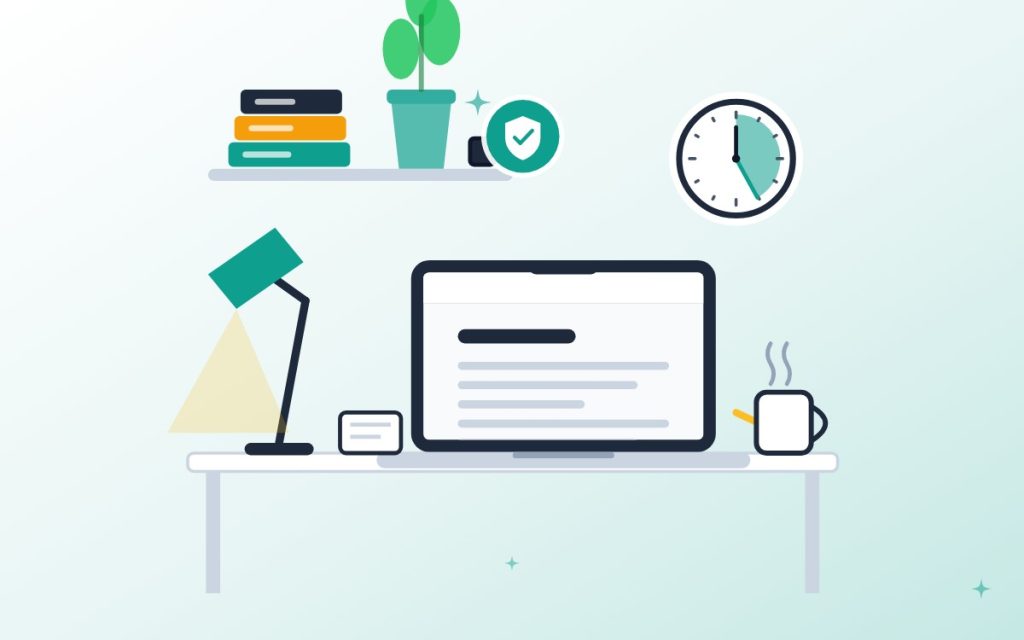
Remove the Clutter from Your Study Area
Visual clutter is a distraction. Even the smallest messes can lower mental sharpness.
What to have on your desk
- Only the study materials for the current subject
- Notebook and pen
- Water glass
- Laptop (if necessary)
Take everything else off the desk.
A neat work area is a good place to study without distractions and to keep things organized.
Tame Your Digital Distractions
The phone is the main culprit for students’ loss of productivity.
Realistic tips for digital discipline
- Switch off non-essential notifications
- Turn on Do Not Disturb while you are studying
- If you can, keep your phone in another room
- Block social media and games for the session with a website blocker such as FocusMe (students get 30% off)
Tiny digital limits can make a big difference to your concentration, and most students overlook them.
Manage Noise Effectively
Not everyone lives somewhere quiet. Focus on the things you can control.
Options to cut down on noise
- Wear noise-canceling headphones
- Play instrumental or white noise
- Study at times when most people are quiet (early morning or late night)
- Let the family members know in advance about your study schedule
Clear and good communication results in a decrease in interruptions.
Fix a Study Routine
The brain works best when it is given a structure. When you follow a random pattern of studying, your performance tends to decline gradually. The solution is a routine:
- Daily study hours that are fixed
- 45-50 minutes of studying sessions
- 5-10 minute short breaks
- A longer break after 3 sessions
A fixed routine not only cuts down on procrastination but also builds mental discipline.
Light and Comfort
Poor light makes your eyes work harder and tires you out.
Ideal study setup
- If possible use natural light
- Desk lamp behind or next to you
- Comfortable but upright chair
- Good ventilation
Build Focus Gradually
Concentration improves with practice. If you try to focus for three hours with no training, you will probably be disappointed.
Start with one undisturbed session of 20 to 25 minutes, then stretch it.
Regular practice counts for more than a burst of hard work.
Keep Your Goals Visible
When your goals are visible, you are less likely to lose track.
Use your desk to put up some reminders like:
- Dates of exams
- Target grades
- Dream job
- Short motivational quotes
Having a goal in sight ensures a greater level of commitment.
Take Care of Your Physical Health
Look after your health too. If you don’t get enough sleep, are dehydrated or eat unhealthily, your ability to focus will suffer.
Students should aim for:
- 7 to 8 hours of sleep
- Balanced meals
- Regular hydration
- Light daily exercise
When your body is healthy, your mind can be more attentive.
Set Clear Boundaries with Family and Friends
Communication is the tip students ignore most. A lot of distractions result from unexpected interruptions from people at home.
Tell your family about your study timetable beforehand. Give them a heads up about your work periods and rest times.
You may also put a little note on your desk or door showing when you are studying. Clear boundaries create mutual understanding and cut unnecessary interruptions. These simple habits can also make it easier to study without distractions and stay focused for longer.
Conclusion
Creating a distraction-free study environment at home does not mean buying expensive things or finding perfect silence. It means noticing what distracts you and building steady study habits.
A few small changes, kept up, let you study without distractions, and your results follow.
FocusMe for students
Study without the tabs that eat the evening
Block the sites and apps that pull you off a study session, on a timer or a schedule, on your laptop and phone.
Start your free 14-day trialNo credit card needed.
FAQs (Frequently Asked Questions)
How can I study without distractions at home?
Select a specific study area, clear away any unnecessary items, silence your phone, and stick to a well-planned schedule. In addition, you can tell your family members in advance so that they don’t distract you when you are studying.
What are the best student productivity tips for staying focused?
If you want to stay focused and be productive you can use time blocking. Also, you can limit phone usage, maintain a daily routine, keep your study area clean, and take regular breaks to refresh your mind.
Is it okay to study with background music?
It mainly depends on a student’s choice. Some students can concentrate better wearing headphones with music without vocals or the sound of white noise. On the other hand, students listening to music with lyrics often have difficulty keeping their concentration.
How long should I study before taking a break?
A common pattern is a solid 45 to 50 minutes of studying followed by a short break of 5 to 10 minutes. This way students will not feel stressed and can retain the most information.
Why do I get distracted easily while studying?
There are many reasons why it can be difficult to focus, but they are mostly related to the use of electronic devices, not having a fixed schedule, studying in a messy place, sleeping poorly, or having unclear goals. Often the first step is simply working out which one it is.
First published
Want to talk it through? Join the FocusMe community