Prefer to read offline? Download this article as a PDF
In many ways, self-discipline has always been a struggle for us humans.
The fact that Sloth was one of the 7 deadly sins just goes to show just how long we’ve recognized the destructive nature of an inability to do the things we know are best for us.
Many ancient cultures, and especially religions, answered this “flaw” in human nature by creating rigid structures and routines to live by.
But in our modern society, the disciplined life is a lost art.
Why Modern Life Makes Self-Discipline More Difficult
In fact, the world we’ve designed for ourselves encourages the exact opposite of discipline. Every new technology or trend aims at making our lives easier and more comfortable. Junk food is everywhere and hard to resist. Social media and other distractions are one tap away through every study session and every working day.
Just try doing something intentionally hard in your life, like starting a strict diet, quitting alcohol, fasting, or getting up at six in the morning to start a business. It doesn’t matter how great the choice, you’ll soon see how the average family member or friend acts bewildered that you would intentionally add any challenge to your life not required by a boss or teacher.
Has Our Pursuit of Comfort Made Us Less Resilient?
Every new invention that makes life more comfortable can leave unexpected costs in its wake. Relying on cars for every trip means sitting more and moving less. Food that is always within reach makes overeating easy. And a life with every difficulty smoothed away gives us little practice at doing hard things.
Humans evolved in a challenging environment. Take every challenge away, physical or mental, and we tend to get weaker, not stronger.
At a gut level, we all know this.
Why Self-Discipline Feels So Difficult to Maintain
In spite of all this, our society often gives the disciplined life a really bad rap.
To find out why, a clear definition of self-discipline is a good place to start.
Most of us would agree that being disciplined is different than just having a couple of really good habits. It tends to extend to much of your life and represents a way of conducting yourself in all things, or at least in many things, rather than just being a one-trick pony who does great in school but drops the ball when it comes to everything else.
You make generally logical decisions, even when they are not easy, instead of irrational ones rooted in impulse and emotion… because you’re wise enough to see what comes out the other side.
Chase Hughes, an author and retired Navy chief, puts it this way: “Discipline is delaying gratification for our future self.” In essence, he explains, a disciplined person tends to prioritize future benefits over what may be most comfortable or satisfying in the present moment.
You deny that piece of chocolate cake at the barbecue to maintain your waistline. Maybe you practice meditation every day because you know it will increase your patience and lower your stress. You always show up 10 minutes early, without fail, and never miss a deadline. You keep a tight budget, save money, and invest every month.
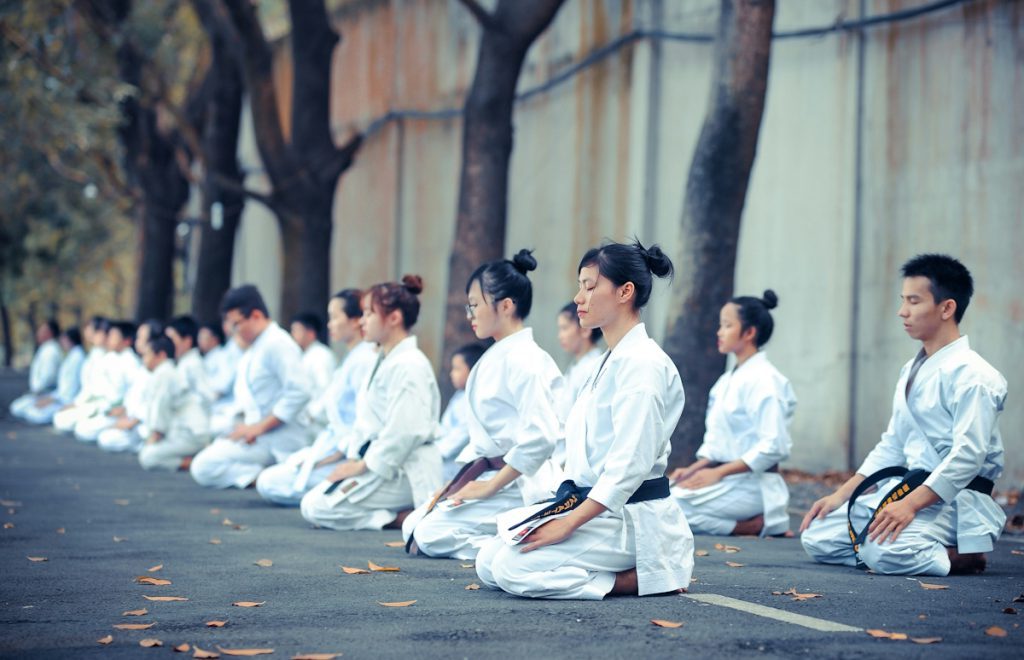
You’re certainly not perfect, but overall, you have a greater power to wait for the good things later.
It doesn’t take a rocket scientist to imagine this pattern of behavior might at least afford you a few advantages, especially if achievement is important to you. But most people underestimate just how much gravity this type of self-control, or lack thereof, may have on your life outcomes. As Hughes points out, the flip side of the delayed gratification coin is that many of our problems can be attributed to an inability to prioritize the future over the present this way.
The famous marshmallow experiment suggested that children who could delay gratification did better later in life, though later studies found the effect much smaller once family background was taken into account.
Why Self-Discipline Is More Rewarding Than You Think
We imagine disciplined people as being deprived, too serious, unhappy… maybe even shallow and selfish.
That sure makes choosing the disciplined life sound tough. It reeks of struggle and going without. Our FOMO lights up just thinking about saying no another time. So we put off building more discipline in our lives. We want the results, sure, but not the hard slog to get there.
And indeed, if we do try to start disciplining ourselves more, our first experience of it doesn’t make us very happy, does it? So, we quit before we get a chance to reap any of the rewards.
But here’s what you may not realize…
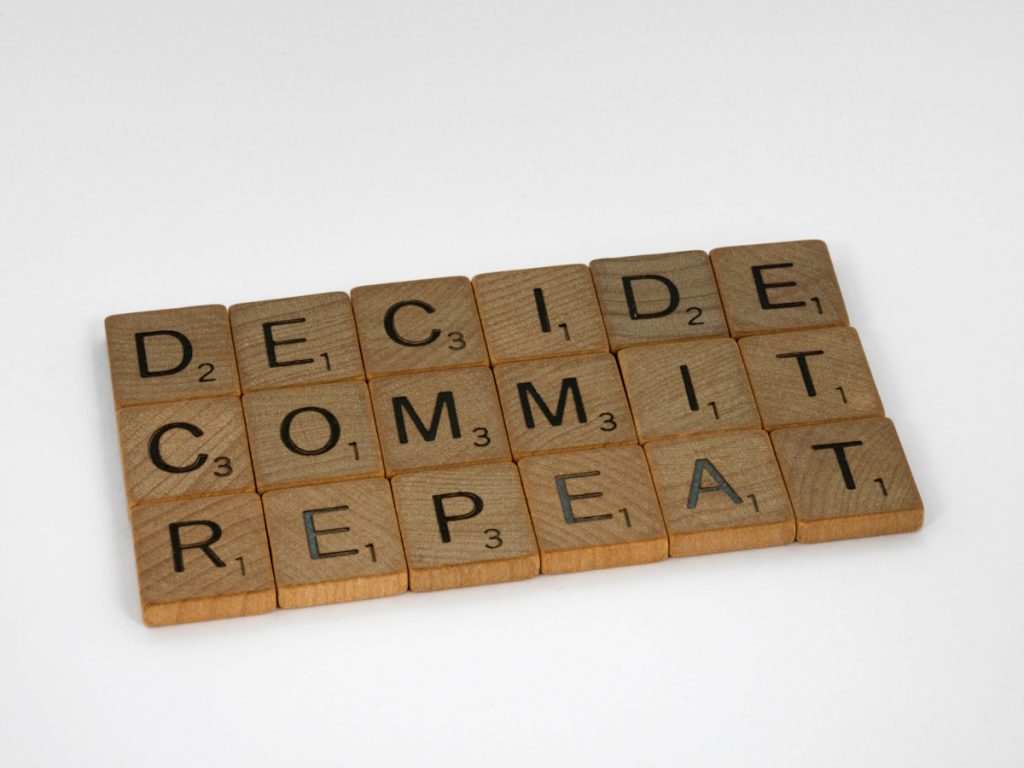
According to research published in the Journal of Personality, this is a flawed idea of the disciplined life to begin with. An illusion.
Disciplined people are actually happier than the rest of us, not less happy. Often because the way they live and make decisions puts them in fewer situations where their goals and motivations conflict, meaning less negative emotion.
So, it’s not just about logic and achievement, after all, is it? Of course, knowing how to let loose sometimes is necessary for happiness too (probably not a problem for most people reading this article) but these disciplined people we are so afraid of becoming, because they are supposedly “so boring”… the people who say no to dessert or staying for one more drink at the party… they actually live better lives than undisciplined people in an emotional sense as well. Both in the long run and short run.
Bottom line, we’ve all been duped, and as long as we continue embracing the culture of comfort, we’ll continue to be duped.
Can You Become More Disciplined, or Is It Something You Are Born With?

Some people might argue that discipline is a character trait and lies within the nature of a person.
Let’s look at how Chase Hughes describes it once again. According to him, discipline is an overall tendency and ability to delay present gratification for the future benefits.
But isn’t this really just a habit as well?
A habit of generally making the tough choice for the future benefit, rather than the easy choice for the current benefit?
While there certainly may be some truth to certain personality traits being more suited for this behavior, it’s safe to say it sounds like something we could all at least improve upon. And like any other habit it can, theoretically, be practiced and ingrained until it’s more normal to you and therefore easier.
Imagine you set a sincere challenge for yourself to be ten minutes early for every obligation and appointment for the next 30 days, and then actually honor that commitment. Never mind how you would accomplish this, but if you pulled it off, don’t you think you’d be more disciplined by the end of the month? Don’t you think this behavioral trend would naturally spill over into other areas of your life as well?
That is the point.
The trait, the habit, the pattern of decision-making we call self-discipline is something that can be defined, chosen, and then practiced.
The trick is to avoid making it a global change where every single part of your life is more disciplined in the blink of an eye, even if a global transformation is the eventual goal. Instead, decide exactly what needs to be disciplined first. Pick a handful of disciplined habits. Then add them one by one, gradually, by turning them into ingrained habits.
How Building Better Habits Strengthens Your Mind And Character
- Embracing the first hard yard of discipline toughens you up.
Doing hard things is good for you.
If you are not good at it right now, recognize that regularly pushing beyond your comfort zone is what builds the capacity.
The more you do things that others see as disciplined, the more adapted you become to doing difficult things in general.
You therefore become more disciplined in character and nature just by making it a habit to “stick it out” more often.
Even just giving people a better “sense” of self-discipline has been shown in one study to reduce procrastination and increase autonomous motivation.
But remember, this first hard yard is only temporary.
The real leverage here lies in…
- Habituation of your chosen behaviors.
This is where things get truly powerful, and it is a core reason people with more discipline do not actually live a miserable existence.
Because habits form through repetition, each new disciplined behavior becomes easier as you repeat it over and over again.
Running a mile every day might sound life-transforming to you if you never get off the couch outside of work and shopping, but do it long enough and it essentially becomes an afterthought. Eventually, you have to run 4 miles a day, or at least 4 miles a few times a week, just to feel like you’re doing anything.
From the outside, to the “average” person who does not value nor understand discipline, you appear to be some force of nature. But inside you feel like you’re still coasting through life. You eventually have to take on greater and greater challenges, whether in the physical fitness realm or another, just to keep life interesting.
This explains why over-achievers pull it all off while still making it look easy.
This habituation is great news because, when you think about it, aren’t the regular behaviors, and especially the results that follow, what we really envy? Most of us would love to run every day, just for the benefits, but don’t want to feel like every day is a struggle. Habituation means you struggle less to do harder and harder things.
How Small Habits Create Powerful Momentum And Transform Your Life
To reiterate, the amazing news you should be taking from all this is that hard effort is only required long enough to get over the initial hump, long enough for the new behavior to become a habit.
Then it becomes automatic, or at least far more natural to you.
Your brain paves the way for each habit, and the more you implement each on a regular basis, the more pavement it lays down for that habit. But it’s also laying down pavement for the habit of discipline in general as well, to make you better at doing hard things and sticking with them long enough for them to become easy.
Which of course sets you up for more achievement down the road.
It’s a recipe for powerful personality change and lasting results in every area of your life.
Now that you have a general idea of how it works, the next step is how to begin (and win).
There is a simple system for doing just that in The Simple 9-Step Self-Discipline System.
Meanwhile…
If you are serious about getting more disciplined in your life, one of the best first steps you can take is walling off your online distractions and restricting social media usage so you can save your focus for the important things in life. FocusMe does exactly that, on Windows, Mac, Linux, Android and iPhone.
FocusMe
Make the focused hour the normal one
Block the sites and apps that pull you off track, on a schedule or a timer, on Windows, Mac, Linux, Android and iPhone.
Start your free 14-day trialNo credit card needed.
FAQs (Frequently Asked Questions)
How can I improve my self-discipline when I struggle with motivation?
Improving self-discipline requires small, consistent actions. Start by setting clear goals, eliminating distractions, and building habits that support your objectives. Using tools like time management apps, accountability partners, and structured routines can also help maintain motivation.
Can self-discipline be developed over time, or is it a natural trait?
Self-discipline is a skill that can be developed with practice. While some people may have a natural inclination toward discipline, anyone can strengthen it through mindful habits, self-reflection, and consistent effort. Regularly challenging yourself and tracking progress can make discipline a long-term habit.
How can I avoid distractions and stay focused on my goals?
Minimize distractions by creating a dedicated workspace, using productivity tools, setting boundaries with technology, and practicing mindfulness. Developing a routine and scheduling time blocks for tasks can also help maintain focus.
What are some practical exercises to build self-discipline?
Some effective exercises include: setting daily goals and tracking progress; practicing delayed gratification (resisting instant rewards); waking up and going to sleep at consistent times; taking on challenging activities like meditation, journaling or cold showers; and removing the temptations that lead to distractions.
First published
Want to talk it through? Join the FocusMe community