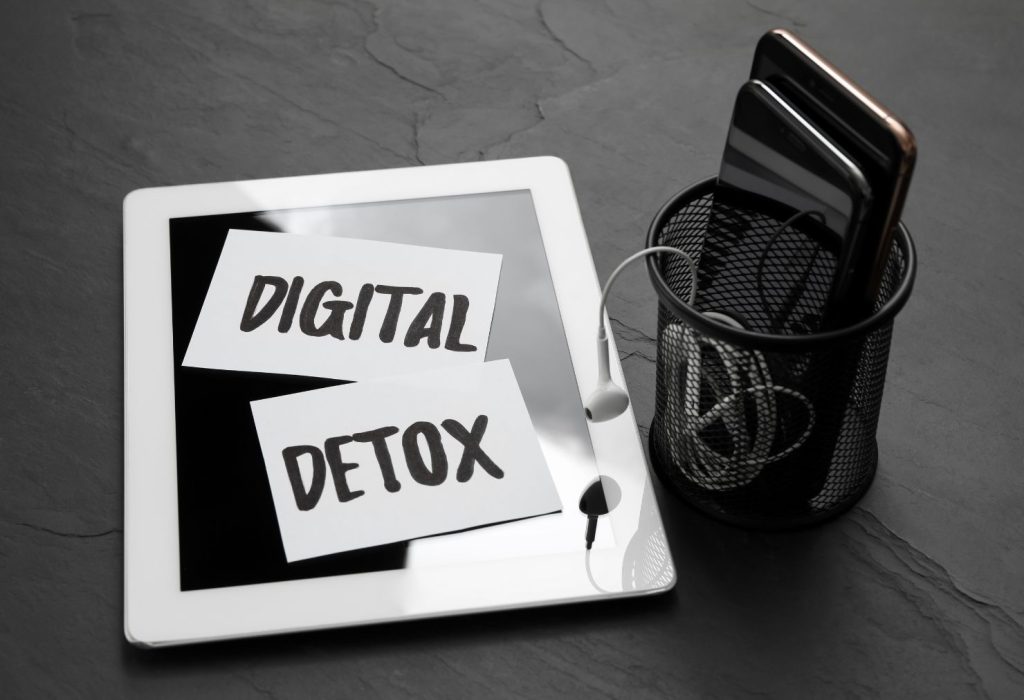
Today, technology is an integral part of everything we do. Our phones allow us to reach out to people, our computers help us work, apps allow us to perform certain actions, and social media allows us to connect. Technology allows us to have a good life, but its presence all the time makes it difficult to concentrate or relax.
This is why ideas like digital minimalism and digital detox exist. FocusMe helps users take a more intentional approach to technology by setting limits, blocking distractions, and creating focused periods. Knowing the difference can help you pick the approach that fits your life best.
What Is Digital Minimalism?
Digital minimalism means being thoughtful about how you use technology. Instead of using every app, platform, and digital service available, you choose the ones that genuinely add value to your life.
For example, a digital minimalist might:
- Remove apps that are rarely useful
- Limit social media use
- Turn off unnecessary notifications
- Check email at specific times
- Avoid mindless scrolling
- Create device-free periods
- Use technology mainly for meaningful activities
- Spend more time on offline hobbies and relationships

This approach also connects closely with creating digital boundaries. Digital boundaries help you decide when technology gets your attention and when it does not.
What Is a Digital Detox?
A digital detox is usually a temporary break from digital devices, apps, websites or online activities. You might decide to spend a weekend without social media, leave your phone outside the bedroom, or take several hours each evening away from screens.
A digital detox can look like:
- Taking a social media break
- Spending a day without unnecessary screen use
- Avoiding your phone before bed
- Taking a weekend away from entertainment apps
- Turning off non-essential notifications
- Spending a few hours each day completely offline
The purpose is to create some distance between yourself and technology.
Digital Minimalism vs. Digital Detox
A digital detox is usually temporary, while digital minimalism is an ongoing philosophy.
Think of it this way:
| Digital Detox | Digital Minimalism |
| Usually temporary | Long-term approach |
| Focuses on taking a break | Focuses on intentional use |
| May involve avoiding specific devices or apps | Involves evaluating your overall digital life |
| Helps you reset your habits | Helps you build sustainable habits |
| Can last for hours, days, or weeks | Can become a permanent lifestyle |
| Often starts with disconnection | Focuses on purposeful connection |
Why Do Digital Distractions Become a Problem?
One reason technology can be difficult to manage is that digital distractions are always within reach. Your phone and computer can quickly pull you toward social media, messages, news, videos, and other online content.
You may sit down to finish an important task, check one message, and suddenly find yourself scrolling through social media or reading an article. What feels like a quick break can easily turn into 30 minutes of lost time.
These constant interruptions can make it harder to maintain focus because your attention keeps shifting between activities. If this sounds familiar, learning how to overcome digital distractions can be a useful starting point.
What About a Dopamine Detox?
“Dopamine detox” is a popular name for a short digital detox: you can’t fast from dopamine, but you can cut back on the cheap, quick rewards (the notification, the fresh post, the next short video) that make slower work feel dull by comparison. How to run one is in our guide, Dopamine Fast: Why You Should Start One Today.
How to Practice Digital Minimalism and Set Better Digital Boundaries
A digital detox can help you notice your technology habits. Digital minimalism takes it further by helping you decide which digital activities deserve your time and attention.
You can start with a few simple changes:

1. Identify Your Digital Distractions
Notice which apps, websites, and notifications interrupt you most. Ask yourself what you check automatically and which activities leave you feeling distracted.
2. Remove Unnecessary Apps
Delete apps you rarely use or limit access to those that consume too much of your time. Reducing digital clutter can make distractions easier to manage.
3. Turn Off Unnecessary Notifications
Keep important alerts and disable notifications that simply encourage you to check your phone. Fewer interruptions make it easier to stay focused.
4. Create Digital Boundaries
Set device-free periods during meals, before bed, or while working. You can also decide when to check email and messages rather than responding whenever a notification appears.
5. Schedule Focused Work
Set dedicated periods for important tasks and avoid social media, email, and distracting websites during them. FocusMe can help block distracting websites and apps, schedule focus sessions, and manage screen time.
6. Simplify Your Digital Workspace
Keep only the tabs you need and bookmark the rest, clear old files off your desktop, and use one tool for each job. If you work and relax on the same device, use separate browser profiles for work and leisure.
7. Replace Unnecessary Screen Time
Use the time you gain for activities that matter, such as reading, exercising, walking, writing, or spending time with others. The goal is not simply less screen time, but more intentional use of your time.
Conclusion
Digital detox and digital minimalism approach technology differently. A detox gives you a temporary break, while digital minimalism helps you build healthier long-term habits.
If digital distractions are affecting your focus, start with a short detox to recognize your habits. Then, create digital boundaries that help you use technology more intentionally.
You do not need to disconnect completely. The goal is to make technology work around your priorities, rather than letting notifications and distractions control your attention.
FocusMe can help you put these habits into practice by blocking distracting websites and apps, scheduling focused periods, and setting limits around digital activities.
Ready to take back control of your attention? Start your FocusMe free trial and build a digital routine that works for you.
FAQs (Frequently Asked Questions)
What is the difference between digital minimalism and digital detox?
A digital detox is usually a temporary break from digital devices or online activities. Digital minimalism is a long-term approach that focuses on using technology intentionally and removing unnecessary digital activities.
Is a digital detox the same as quitting technology?
No. A digital detox usually involves temporarily reducing or avoiding certain digital activities. You can choose what to disconnect from and for how long.
How does digital minimalism help with digital distractions?
Digital minimalism encourages you to remove unnecessary apps, limit distracting activities, turn off unnecessary notifications, and use technology only when it provides meaningful value. These habits can reduce the number of interruptions competing for your attention.
How can I create better digital boundaries?
Start with simple rules. You might decide not to use your phone during meals, stop checking work messages after a certain time, schedule social media use, or create device-free periods before bed.
Should I try a digital detox before practicing digital minimalism?
You can. A short digital detox can help you notice how often you reach for your devices and which activities you miss or do not miss. You can then use those observations to create more intentional long-term habits.
Can FocusMe help reduce digital distractions?
Yes. FocusMe provides tools for blocking distracting websites and apps, scheduling focus sessions, limiting screen time, and creating routines designed to support focused work.
How long should a digital detox last?
There is no fixed duration. You can start with an hour, an evening, a day or a weekend. The best starting point is one that is realistic enough for you to complete.
Does digital minimalism mean deleting social media?
Not necessarily. Digital minimalism is about intentional use rather than automatically eliminating every digital platform. If a social media platform provides genuine value, you can continue using it while setting reasonable limits around it.
Can digital minimalism improve productivity?
Yes. Reducing unnecessary apps, notifications, and online activities can limit interruptions and make it easier to concentrate on important tasks.
How can I reduce digital distractions without avoiding technology completely?
Start by identifying the digital activities that interrupt you most. Turn off unnecessary notifications, set specific times for checking messages, block distracting websites during focused work, and create device-free periods.