Prefer to read offline? Download this article as a PDF
Technology is an undeniable reality of daily life. Even right now, you are probably using at least two to three different devices, navigating the new ways of life. Moreover, unlike the 90s or early 2000s, technology is not limited to professional life, like jobs and studies; rather, it is an integral part of people’s personal lives. The reason for technology’s dominance in our lives is the ease that it has brought. However, this convenience has also contributed to bad digital habits, such as excessive screen time, constant notifications, and mindless scrolling.
But almost no good thing is without something not so good about it. The same holds true for modern-day technology. No wonder everyone is trying to reduce screen time. If you are also trying to reduce your screen time and get things done more efficiently, here is what you need to do.
Why Is Screen Time Becoming an Issue?
The most frequently asked question when it comes to technology and screen time is if technology is a sign of development and advancement, built specially to make people’s lives easier and more efficient, then why is it a big issue? Well, the issue is not the technology; the issue is overuse and undue reliance on technology. While there is no denying that technology has made everyday tasks faster and more convenient. Having constant access to digital platforms has also increased the amount of time people spend on screens, often without realizing it.
How to Realize You Are Using Too Much Technology
The worst and most dangerous thing about technology is that it is often really difficult to realize when you are overusing it. With a high reliance on technology for everyday tasks, like getting your job done, studying, or connecting with people, there is hardly a point at which the interference of technology in our lives starts or ends. It is everywhere.
The issue with this is, how will you break bad digital habits if you don’t know you have them? So if you are confused about the same, here are a few indicators of overuse of technology that will help you measure your screen time:

Constantly Checking Your Phone
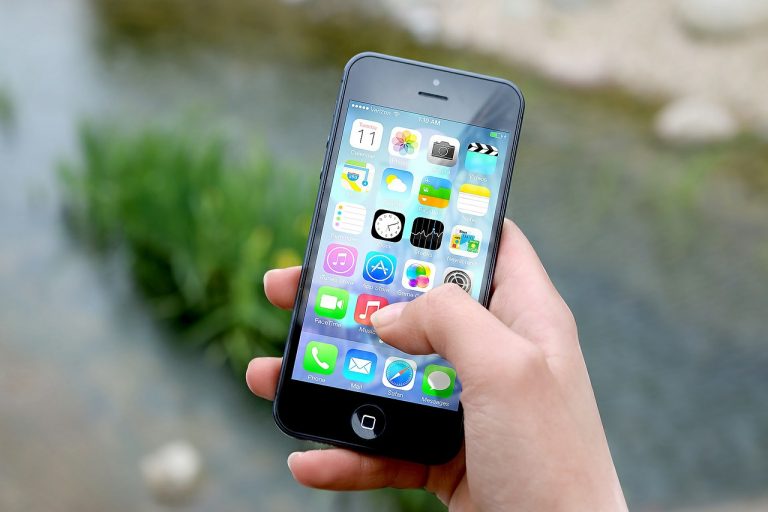
One surefire way to realize that you have been using technology is to track your phone use. Mobile phones have made technology more accessible than ever. Now the whole world is literally in your hands. But it has also created a dependence. Everyone is constantly on the phone. While making a call, replying to an email, googling a fact, or just because. So, if you find yourself checking your phone every few minutes, even without notifications, you have developed an unhealthy digital habit.
Reduced Productivity and Focus
Once you are hooked on technology, no matter what form it takes, it usually does the opposite of what it promises. So instead of being more productive due to the hours invested in studying, you end up being much less productive. Because, instead of focusing on what is crucial, you are aimlessly surfing the net or playing a game, or just scrolling through social media. This becomes even worse if you are switching between apps, messages, and tasks.
If this goes on for a prolonged period, then it can make it harder to concentrate on important work or complete tasks efficiently.
Screen Time Affecting Sleep or Mood
One of the biggest reasons you might even be considering to reduce your screen time is because you might be affecting your sleep and mood, and you want to reduce it. Using devices excessively, especially at night, severely disrupts your sleep cycle and impacts your overall health and mood. Bright screens and a stream of new content late at night keep you alert when you should be winding down, and you feel it the next day.

How to Break Bad Digital Habits Without Quitting Technology
If you have been able to identify that you have a screen time issue with technology overuse, then you must look into breaking the pattern. It is not easy to break bad digital habits, like limiting your screen time, there are a few habits that will help:
- Frequent notifications encourage people to check their devices repeatedly. Disabling non-essential alerts can significantly reduce distractions and help maintain focus during work or important tasks.
- Scheduling specific periods without digital devices can improve concentration and relaxation. For example, avoiding screens during meals or before bedtime allows people to reconnect with offline activities.
- Breaking digital habits becomes easier when screen time is replaced with other activities. Reading, exercising, journaling, or spending time outdoors can provide meaningful alternatives to constant device use.
If you would rather not rely on willpower for any of this, FocusMe blocks or limits the sites and apps you choose on Windows, Mac, Linux, Android and iPhone. A Time Limit gives a daily budget; a Session Limit caps how many times you open it and how long each visit lasts, with a wait between.
Conclusion
Technology has evolved steadily and then rapidly during the past few years, especially the last two decades. It has evolved from something that supported big discoveries or financial decisions; it has now become a part of people’s daily lives.
At this pace, it will continue down the same path. However, the downside is that there have been several issues, such as a high dependence on technology and excessive screen time.
As the bad digital habits start to take over your life, it is time to take proactive steps to break bad digital habits. Simple actions such as limiting notifications, creating tech-free periods, and replacing digital habits with offline activities can help reduce screen time and build a healthier relationship with modern technology.
FAQs (Frequently Asked Questions)
Why is reducing screen time important?
Excess screen time or screen use at odd times will disrupt your sleep patterns. Bright screens late at night can delay sleep, making it harder to fall asleep on time, get a good night’s sleep, or wake up feeling refreshed.
How can I reduce screen time without quitting technology?
The reason people struggle with technology and screen time is that technology has intermingled with daily life. From work to studies, to maintaining professional and personal contacts, it is not possible to completely stop using technology. But you don’t have to cut off technology altogether just to reduce screen time.
What are common signs of bad digital habits?
Some of the clear and first signs of bad digital habits include checking your phone constantly, having difficulty focusing on tasks, and using devices late at night, even when not needed.
What is the easiest way to break bad digital habits?
There are a lot of tactics and strategies that can help you break poor digital habits. You should make tiny changes at first, like keeping track of how much time you spend on your devices, turning off notifications that aren’t necessary, and setting out short periods of time each day when you don’t use your gadgets. Following these steps will slowly help you develop better habits with technology.