
Table of Contents
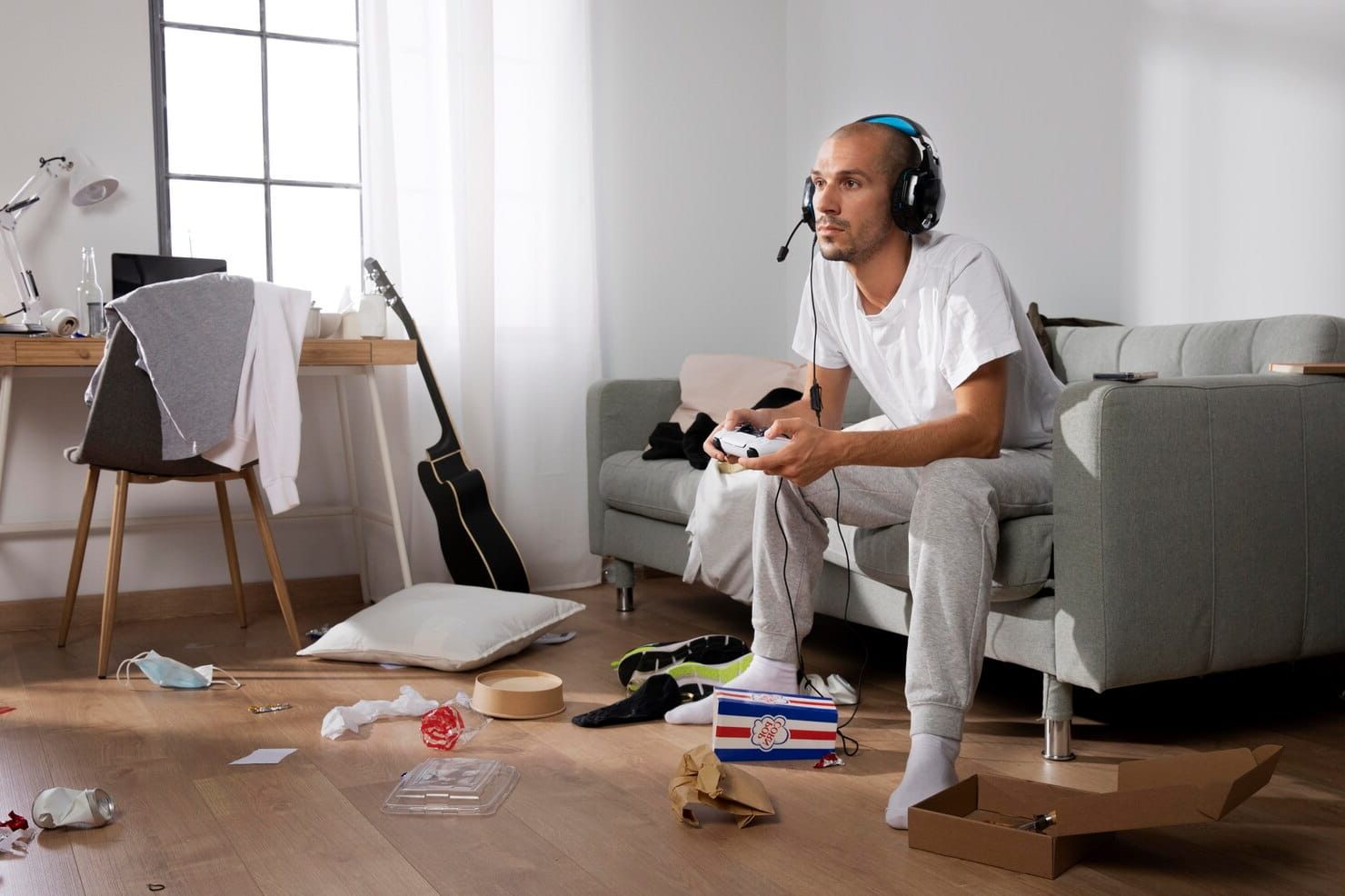
One of the most popular ways of relaxation is gaming. For many professionals, it offers a quick escape from work stress, deadlines, meetings and daily responsibilities. A few minutes of gaming can help you unwind and recharge. But sometimes, what starts as a harmless hobby slowly turns into something more difficult to control. This is where gaming addiction becomes a concern.
Not everyone who plays games has a problem. However, when gaming starts interfering with work, health, relationships and overall well-being, it is time to take a closer look. Let’s explore how gaming addiction affects professionals and what can be done to create a healthier work life balance.
When Does Gaming Become a Problem?
Gaming addiction occurs when a person feels a strong urge to keep playing despite negative consequences.
- An individual suffering from gaming addiction can:
- Spend much more time gaming than intended
- Have trouble controlling gaming sessions
- Be preoccupied with thoughts of games
- Avoid work commitments
- Experience a lack of sleep because of gaming
- Pursue gaming even at the expense of social life
The issue is not gaming itself. The problem begins when gaming takes priority over important areas of life.
Why Professionals Are Vulnerable
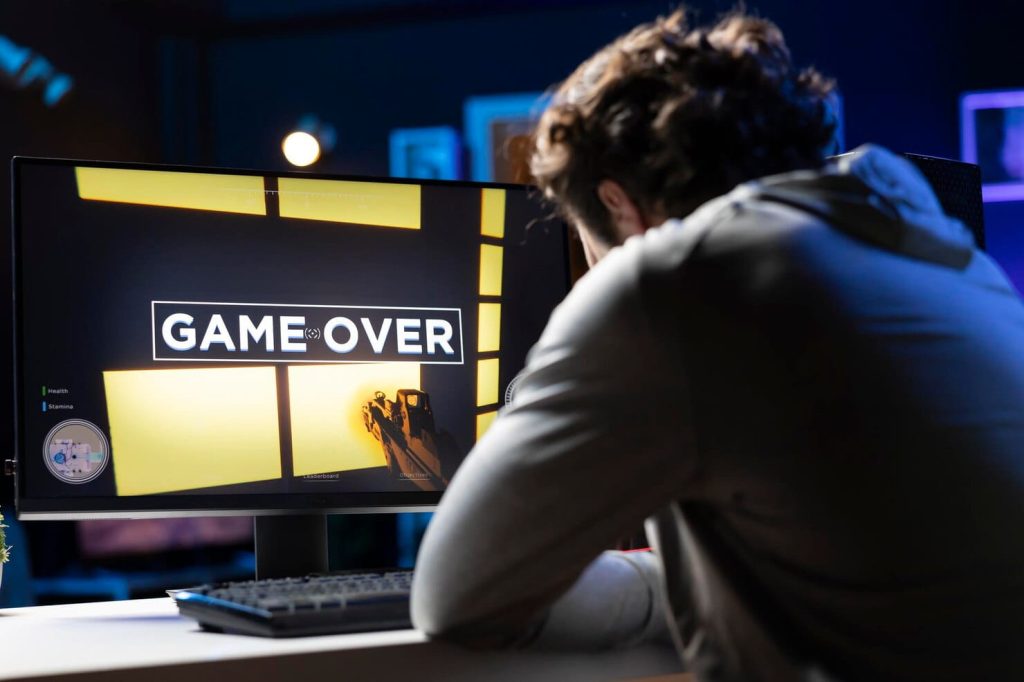
Many people assume this addiction mainly affects teenagers or young adults who have all day to play. But the reality is that working professionals face the same risks. After spending hours tackling complex problems, sitting through meetings and answering a constant stream of emails, the brain naturally craves something simple that provides quick rewards and relaxation.
They offer:
- Instant rewards
- Clear goals
- Quick achievements
- Social interaction
- Temporary escape from stress
Compared to complicated work projects. Games often feel more satisfying because rewards come immediately. This can make it easy to keep playing longer than intended.
The Link Between Gaming Addiction and Tech Addiction
Gaming addiction is often connected to a larger issue, which is tech addiction.
Many professionals spend their day:
- Working on computers
- Checking phones
- Responding to messages
- Browsing social media
- Streaming content
- Gaming at night
As a result, screen time can easily stretch across the entire day. The brain becomes used to constant stimulation, making it harder to disconnect and relax without technology. Gaming then becomes one part of a broader cycle of tech addiction.
Warning Signs That Gaming Is Affecting Your Balance
Gaming is meant to improve your free time, not consume it. You may need to reassess your habits if you notice:
Work Performance Is Slipping
You stay up late gaming and wake up tired. Your concentration decreases, productivity drops and tasks take longer than usual.
Sleep Is Being Sacrificed
You tell yourself you will stop after one more game. Hours later, it is well past bedtime. Poor sleep eventually affects energy, mood and performance.
Personal Relationships Are Suffering
Friends, family members or partners may feel ignored when gaming takes priority over spending time together.
You Feel Guilty About Gaming
Many people experiencing addiction know they should stop, but struggle to do so.
That feeling of losing control is often a warning sign.
Practical Ways to Manage Gaming Addiction
For many professionals, controlling gaming habits through willpower alone can be difficult. Productivity tools like FocusMe can help by blocking games, gaming websites and other distractions during work hours or during times when you want to focus on other priorities.
By creating clear digital boundaries, FocusMe makes it easier to stay productive, maintain healthy routines and prevent gaming from interfering with work or personal responsibilities.
Set Clear Gaming Hours
Decide in advance when you’ll play.
For example:
- 7 PM to 8 PM on weekdays
- Longer sessions on weekends
Having clear boundaries prevents gaming from expanding into your entire evening.
Create a Digital Cut-Off Time
Choose a time when all gaming stops. This protects your sleep and helps your mind unwind before bed.
Track Your Screen Time
Many people underestimate how much time they spend gaming. Tracking screen time creates awareness.
Once you see the numbers, it becomes easier to make adjustments.
Fill Your Time With Other Activities
Sometimes gaming becomes excessive because it is the only way you relax.
Try adding:
- Walking
- Reading
- Exercise
- Learning new skills
- Spending time with
- family and friends
Having multiple ways to unwind creates better balance.
Reduce Temptation During Work Hours
If gaming distracts you while working, remove easy access during work sessions. This is where tools like FocusMe can help.
FocusMe allows professionals to block games, gaming websites and other distractions during work hours. Instead of relying entirely on willpower, you create an environment that supports focus and productivity.
When distractions are unavailable, staying on task becomes much easier.
Building Healthier Technology Habits
Gaming addiction rarely exists by itself. It is often part of a larger pattern of excessive technology use.
Improving work-life balance usually means improving your overall relationship with technology.
Simple habits can help:
- Turn off unnecessary notifications
- Schedule device-free time
- Take regular screen breaks
- Keep phones away during meals
- Create technology-free evenings occasionally
These small boundaries help reduce tech addiction and create more intentional screen use.
Conclusion
Playing games can be a relaxing and enjoyable experience for some individuals.
For professionals who are seeking a good balance between work and life, their objective is not to stop playing games. Rather, they should ensure that playing games remains a healthy activity, but not an addiction.
With boundary setting, effective screen management and the development of healthy technological practices, gaming can be done while balancing productivity, socialization and health.
Tools like FocusMe can make this process easier by helping you control distractions, limit gaming during work hours and create a healthier balance between work and leisure.
The goal is not to have less enjoyment. There is more control over how you spend your time.
FAQs (Frequently Asked Questions)
Professionals and adults can face gaming addiction just as much as younger players. Work stress combined with easy access to games often makes it more common than people realize.
Gaming is frequently part of a larger pattern of excessive screen use and difficulty disconnecting from digital activities.
There’s no universal number. Screen time becomes problematic when it starts negatively affecting sleep, work performance, relationships or general well-being.
Late-night gaming, poor sleep and constant distractions can reduce focus, concentration and productivity during the workday.
Common signs include losing track of time while gaming, neglecting responsibilities, staying up late and feeling unable to stop playing when planned.
Start by setting gaming schedules, limiting screen time and creating clear boundaries between work and leisure activities.
FocusMe can block games and gaming-related websites during work hours, helping you stay focused on important tasks.
In moderation, gaming can be enjoyable and relaxing. Problems usually arise when gaming begins to replace other important activities.
Start by tracking how much time you spend gaming and using screens each day. Awareness is often the first step toward creating healthier habits.
Clear limits help you enjoy gaming while still making time for work, rest and personal activities. This creates a healthier and more balanced routine.


