Table of Contents
For most people, November is the start of the holiday season, but for some writers, it’s so much more. November is the month where many aspiring novelists commit to spending almost every waking moment outside of work or school participating in NaNoWriMo. The challenge pushes these novelists to write 50,000 words over the month of November, which equates to writing 1,667 words every day. The days where you don’t meet this goal, you have to make up the word count on other days. This gets tricky as it is so easy to let things slide over the holidays, especially Thanksgiving and the weekend that follows. NaNoWriMo is one of the wildest, most exhausting things any writer can do, but the reward is high. Writers that complete the challenge come out of November with a 50,000 word draft of their novel.
However, as important as writing is, writers shouldn’t just steamroll all over their life and enter December drained. It’s important to maintain some semblance of a life and take care of yourself during NaNoWriMo. While you will inevitably be exhausted if you’re participating in NaNoWriMo, you should still make time to take care of yourself over the last week of November. Here are a few great ways to do that.

Communicate, Don’t Isolate
Humans need community to thrive. Whether this means being surrounded by family, friends, or coworkers, it’s important to make time for the people in your life, especially during NaNoWriMo. This may sound counterproductive, but people can actually motivate you, encourage you, and even help you overcome writer’s block.
NaNoWriMo realizes the value of community and designed forums for this very purpose. There are ones to plot, ask questions, post inspiration, and even just chat. These can be a great resource when you just need a reminder of why you’re doing this challenge.
Furthermore, having a writing partner (or several) can help with accountability and be a great way to have someone to bounce ideas off of. Sometimes writing with a person can really help motivate you. Find a creative way to do this, like a virtual write in. Try video calling some writer friends, setting their videos in the corner of your screen, and typing away.

Stay Healthy

This year’s NaNoWriMo literally takes place in the midst of a global pandemic during flu season. For a few lucky dystopian writers, this may be a source of inspiration, perhaps even for their novel, but for most writers, it’s a source of fear and stress. Maintaining one’s health and safety is at the top of everyone’s minds right now. However, given the strenuous and time-sensitive schedule of NaNoWriMo, staying home and writing isn’t always enough to stay healthy.
Eating well can be tricky, especially when you’re crunched for time. A diet that consists of more than just coffee and junk food, however, is crucial to maintaining energy and mental clarity. Try keeping a bowl of fresh fruit or vegetables and hummus next to your computer to snack on throughout the day instead of a bowl of chips. Your body needs healthy nutrients to fight off germs and illnesses, particularly during the winter. In the event that you or a family member starts to feel sick, don’t panic. You can use an over the counter medicine delivery service to have the essentials dropped off so you don’t have to waste time or energy going to the store. Cough syrup? Check. Chicken noodle soup? Check. Vitamins? Check. Back to writing your novel? Check.
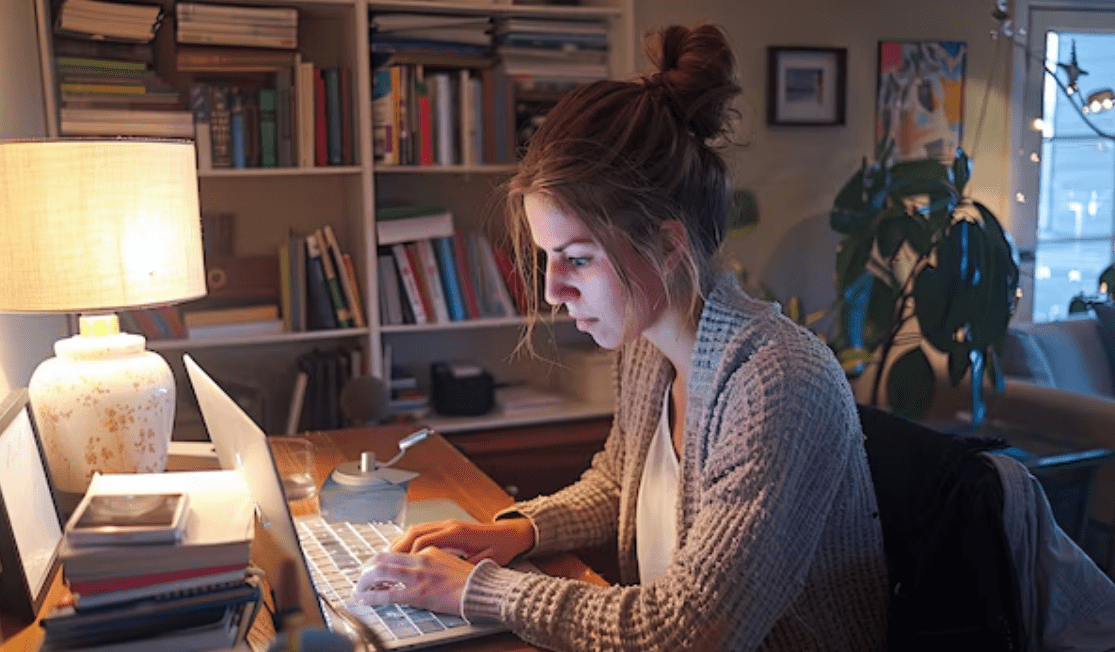
Because you’re spending most, if not all of your days hunched over your laptop furiously typing away on your novel, it’s important to stand up and stretch every now and then. Wake your tired muscles up with a short walk or run. If you’re already surrounded by snow and going outdoors isn’t an option, then try an online workout video or yoga session. Either way, it’s important to get moving. Exercise isn’t just good for your body, it also provides mental clarity and enhances focus, something every writer needs.
Surround Yourself With Inspiration
The phrase “art inspires art” is absolutely true, especially when you’re dumping creative content out in such large quantities all month. Try surrounding yourself with many different forms of art to stay inspired and ward off the dreaded writer’s block.
If you’re a visual person, start looking for illustrations or pictures that remind you of your novel and characters to inspire your writing. If you like motivational quotes, consider scribbling your favorite ones about writing on sticky notes and place them all over your workspace. If you’re a poetry person, try reading some to spark your creativity. Always keep in mind, however, that art should not be a distraction, but rather an inspiration. So refrain from reading novels or anything too long. Instead, stick to short stories, quotes, or poetry so you don’t get sucked in and find yourself losing valuable writing time.

Another form of art is music. Music is probably the best form of art to consume during NaNoWriMo, because you can be listening while you write instead of pausing your sessions to focus on something else. Writers have different preferences when it comes to music, but by the last week of NaNoWriMo, you’re probably ready to shake things up and find some new tunes. Classical music and film scores make for some of the best music to write to. Classical music is clinically proven to improve focus, while film scores are designed to evoke emotions for particular scenes. Try starting with the score from a film that either inspired your novel or has a similar tone. You can also look for music that fits a specific character or scene. However, don’t fall into the trap of creating playlists right now, because that will become a distraction. Plus, you can easily find playlists that will fit your characters, scenes, or novel as a whole.
Vary Writing Environments

The environment you write in can have a serious impact on your writing. Some writers are more productive alone in a clean and aesthetic space, while others prefer to be surrounded by people who are also working, like at a coffee shop or a library. No matter what your preferences, it helps to change up where you write from time to time. If you’re tired of writing in your home, try and shake things up a bit. Depending on what the restrictions are like where you live, you may be able to write in a coffee shop, surrounded by the smells, sounds, and energy that you find at such places. If that’s not an option, most libraries will let you sit in a quiet corner and write for a few hours. If you live somewhere warm, try writing outside. You could either try finding a bench by a fountain, writing in a local park’s gazebo, or even just hanging up your own hammock. No matter what you choose, getting out of your home and filling your lungs with fresh air will invigorate you.
If you absolutely can’t go anywhere, try changing up your writing space for the last few days of NaNoWriMo to help settle your restlessness. For example, you could rearrange the lights in your home. Switching from bright to soft lighting can really change the way your space feels. Perhaps you can try recreating your favorite coffee shop in your home. Find and play an indie playlist. Buy a milk foamer and learn to make a fun coffee drink.
Your writing environment is traditionally thought of as what surrounds you, but take a look at the writing environment on your computer. The internet puts every distraction at your fingertips, tempting you to scroll through seemingly endless social media feeds, shop online for things you don’t need, and “research” for your novel. It’s too easy to let these distractions fill your writing time. Consider using a program like FocusMe to minimize the distractions and push you to be even more productive.
Don’t Look Back
One of NaNoWriMo’s most crucial rules is “don’t edit.” This is infinitely easier said than done. The inner editor can be so loud and it can be tempting to give in. One of the best ways to combat this is not to look back or reread anything you’ve written. While this is tough, it provides a barrier and forces you to keep moving forward. If you absolutely have to reread your words, then try to do so at the beginning or end of a writing session, so it doesn’t become a distraction or discouragement in the middle.
Another reason not to look back is you risk hating your own words. When this happens, you’ll want to either edit or just straight up delete them. Editing is already banned, so why not delete? Because there may be some worthwhile writing in the passage. Your job in December or January is to sift through and revise. How frustrating would it be if you remembered writing something but couldn’t find it anywhere because you’d deleted it? Rather, leave every word you’ve written alone for now, you’ll have a chance to delete and edit soon enough.
For now, revel in every word written. Each one puts you a step closer to your completed novel.
Frequently Asked Questions
If you find yourself behind schedule, don’t panic. Recalculate the remaining days and adjust your daily target accordingly. For example, if you’ve missed two days of writing, spread the extra words across the remaining days so you stay on track.
Very important. The article emphasises that community support,via writing partners or online forums can motivate you and help you through writer’s block.
Yes, absolutely. The article highlights the need to eat well, take breaks, stretch and avoid a diet of coffee and junk food. Good health supports focus and stamina.
Avoid returning to earlier text during the writing phase, the article states “don’t look back” as a key tip. Editing mid-draft slows you down and can disrupt creative flow.
Change where you write. The article suggests varying your setting (e.g., café, library, outdoor space) or rearranging your home workspace to refresh your mindset.
Surround yourself with bite-sized inspiration: short poems, art, music that evokes the tone of your novel. The article warns not to get pulled into distracting longer reads.
While skipped days are not ideal, the important thing is to recover quickly and adjust your plan. Use the “don’t edit” mindset, pick up where you are, and adapt your schedule rather than giving up.
Breaks are essential. They help maintain physical health (via movement or stretching) and mental clarity. The article strongly recommends taking short walks or doing online workout videos to support writing stamina.
Use focus tools or blocking software to limit access to distracting websites and apps. The article explicitly mentions using FocusMe to minimise distractions during writing sessions.
Shift into survival mode: focus on progress not perfection, keep distractions low, stick with your writing routine, and celebrate small wins each day. Remind yourself this is a sprint, pace yourself so you end the month healthy and motivated.