Prefer to read offline? Download this article as a PDF
As writers we’re addicted to books on ‘how to write’. It’s procrastination of course. If you’re reading a book about how to develop your craft, then you’re working on your writing, right?
Yes, but there must be balance. If you spend too long reading and not getting words on the page, you’ll never finish that novel.
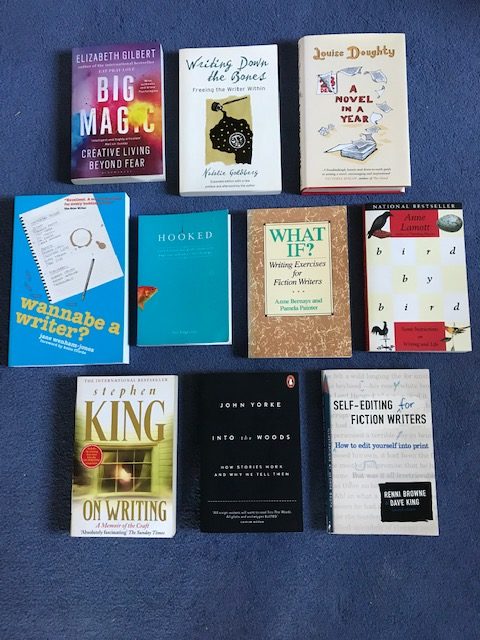
I have more than sixty (yes 60) books teaching me how to write, and that’s without including ones specifically focused on writing a screenplay, writing poetry, writing a memoir. All sixty books are about writing a novel. I ought to be an expert…
It’s difficult to know what type of ‘how to’ book to recommend. Some writers like something practical, whereas others prefer more theoretical/academic tomes, or sometimes you might be searching for inspiration and tips. Making a short list was a challenge, but here goes. I begin with books giving inspiration, move through those aimed at keeping you going and end with polishing your completed rough draft.
Here Are Ten Books I Recommend Every Writer to Read
Writing is a craft that evolves through both practice and learning. While nothing replaces time spent putting words on the page, the right books can offer valuable guidance, inspiration, and practical techniques to help writers improve their storytelling skills. The following titles cover everything from creativity and motivation to plotting, character development, and editing, making them worthwhile reads for writers at every stage of their journey.
1. Big Magic by Elizabeth Gilbert
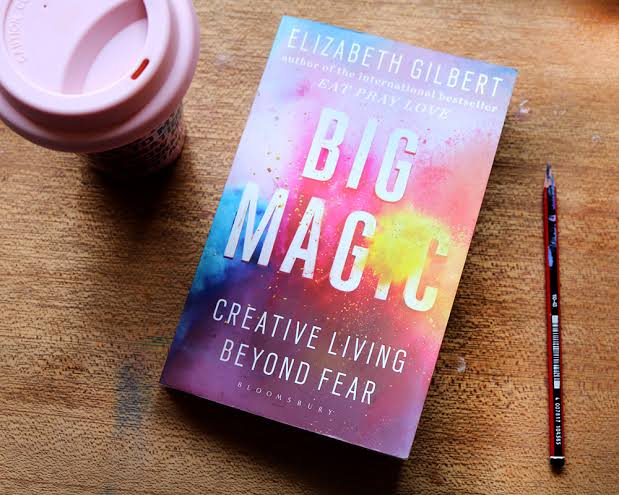
Elizabeth Gilbert also wrote Eat Pray Love. If you haven’t already watched Elizabeth on Ted Talks you’re missing out. Big Magic is all about creativity and how ideas work. Courage, permission, persistence and trust. This book will become your personal life coach and inspire you to write.
2. Writing Down the Bones by Natalie Goldberg
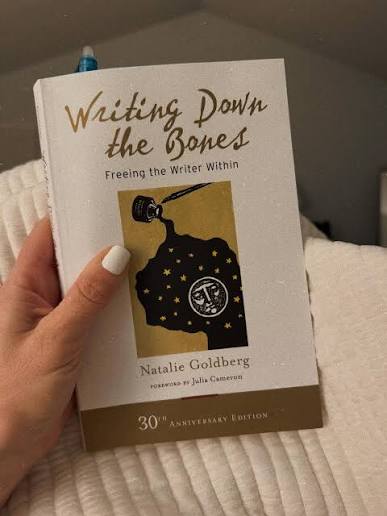
This book introduced me to writing as practice, a meditative Zen Buddhist exercise to be done every day. Natalie says, ‘write a little every day, fill a notebook each month’. It’s about writing as stream of consciousness, uninhibited, subtracting the rules, letting go. This concept is perfect when you are starting a first draft. Personal reflection rather than action packed, but enjoyable to read, and inspiration at whatever stage in your writing journey.
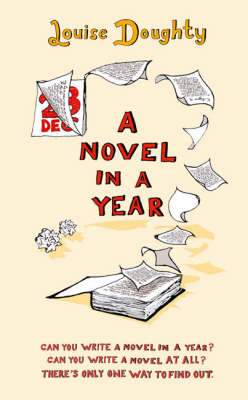
3. A Novel in a Year by Louise Doughty
You may know Louise Doughty: she wrote Apple Tree Yard, a highly successful BBC One series. I heard about Louise’s idea to write a novel in a year when I stumbled across her weekly column in the Daily Telegraph. I was working full time and it was helpful to divide the process of writing a novel into weekly tasks. Each week provides a short inspirational article, followed by an activity or practical exercise. By week 18 you’re really thinking about your plot, developing characters and managing your writing time. Spoiler alert: you won’t finish your novel by the end of the year, but I like the idea of breaking things down into manageable bite-sized chunks.
4. Wannabe a Writer? by Jane Wenham-Jones
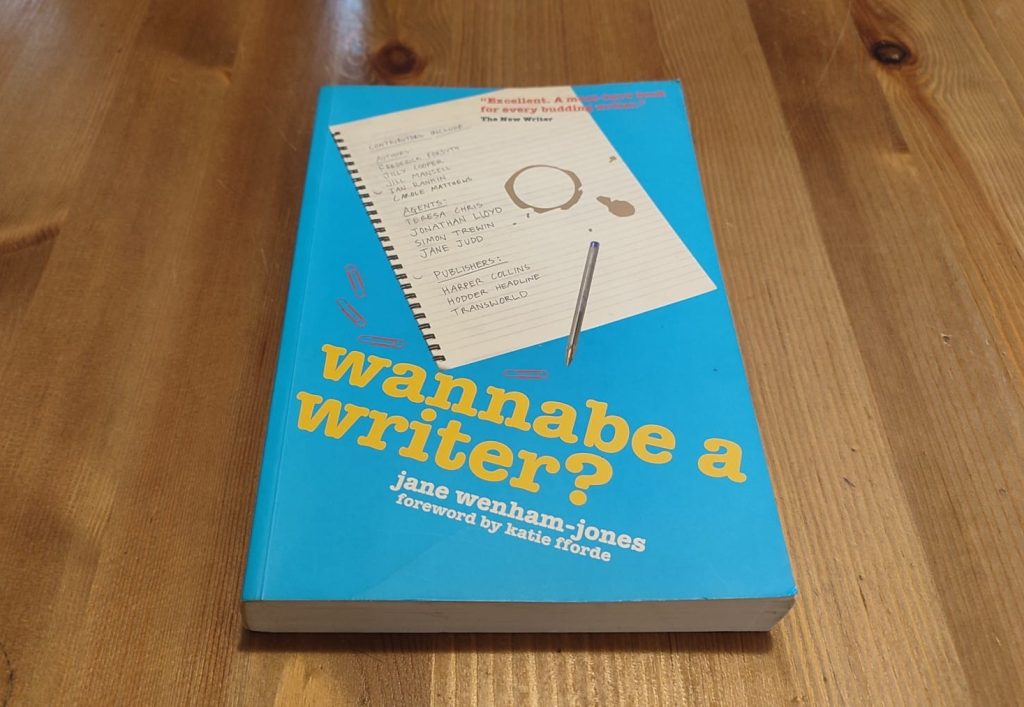
This is a very funny, readable and chatty book full of practical tips and advice:
- How to write when there’s no time
- Planning on a wallpaper roll
- The tedious bits: punctuation and grammar
- Writing as revenge
- Avoiding writer’s bottom
- What to wear at your launch party
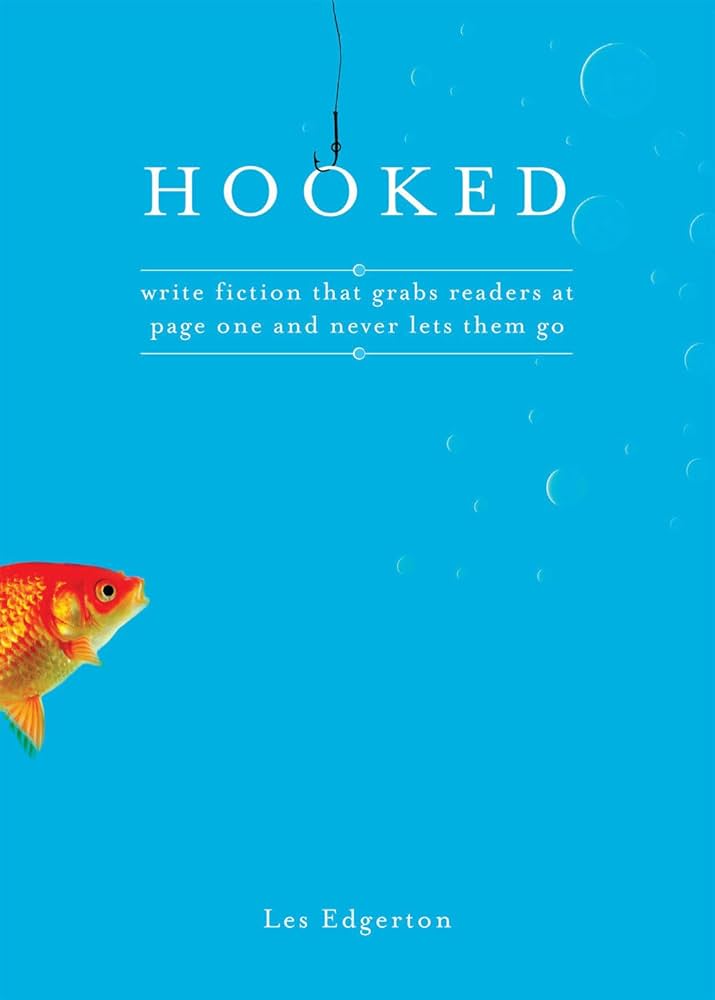
5. Hooked by Les Edgerton
My son bought me this. It explains how to write fiction that grabs the reader from page one. I love the concept, but the book is about so much more than just openings, taking you through inciting incidents, set up, foreshadowing, backstory, introducing characters, transitions, view from the agents’ chair. A pocket-sized bible for the novelist. Very readable and full of examples from book and film. I strongly recommend.
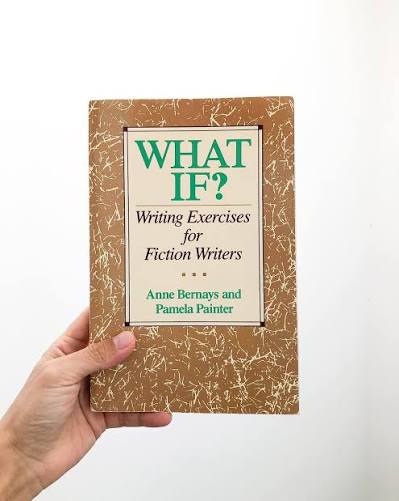
6. What If? by Anne Bernays and Pamela Painter
This is such a useful ‘dip-in’ book. I pull it from my bookcase, open anywhere and I’m immediately sucked in. 83 short chapters covering so many suggestions and exercises, it seems to cover everything. Opening it at random I find ‘speech flavour, sounding real’ (making character voice sound genuine); ‘the inner life of characters’ (respecting your characters’ imagination); ‘changing your life’ (how to convert your own (boring) life experiences into fantastic ideas for stories. Indispensable.
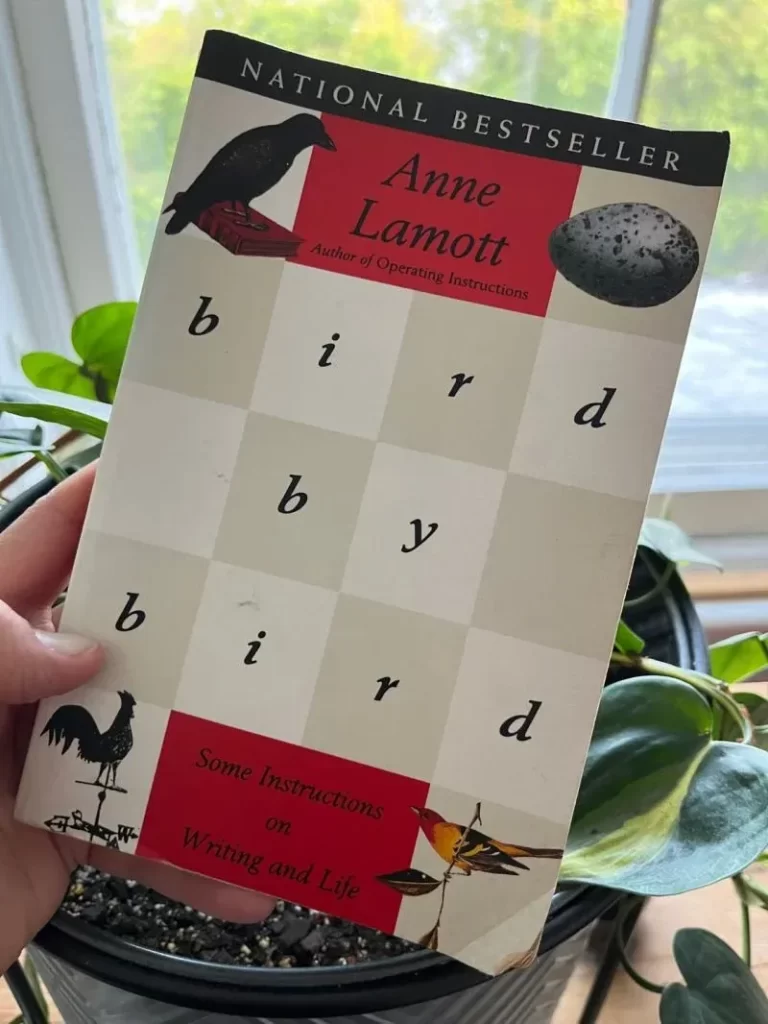
7. Bird by Bird by Anne Lamott
I have had this book recommended to me so many times. This book is a delight to read as it tells a story. It’s about approaching writing one step at a time, ‘bird by bird’. Anne addresses the shitty first draft, false starts, ‘how do you know when it’s done?’ Timeless.
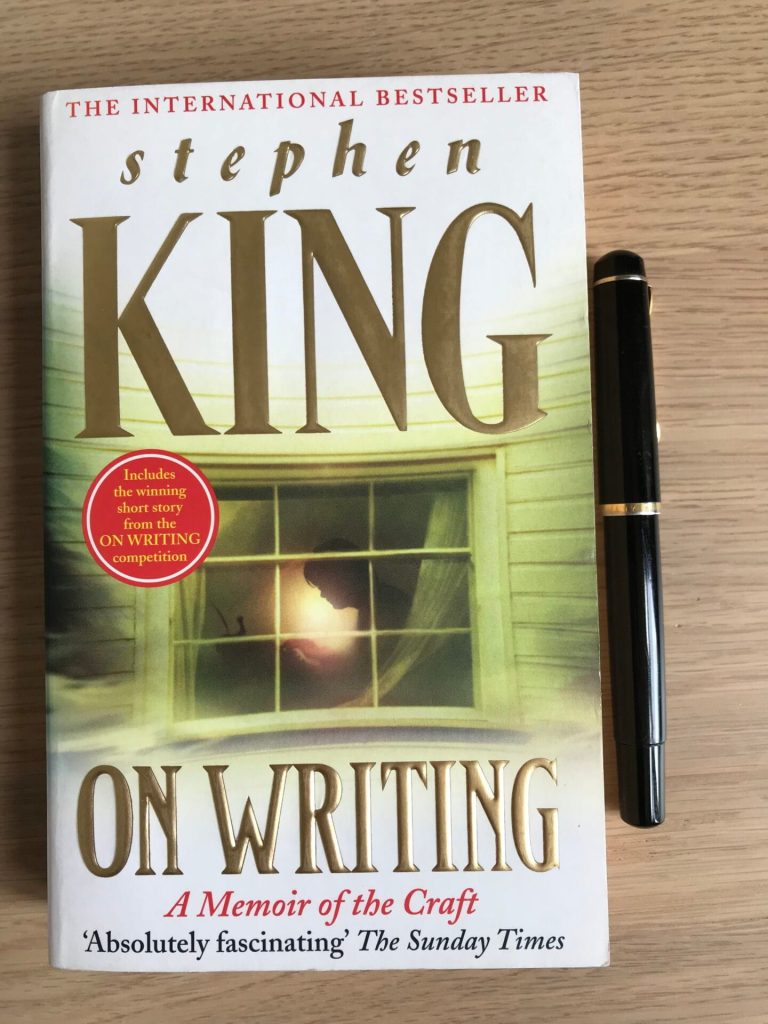
8. On Writing by Stephen King
Stephen King is the master. How could I not include this book? Part biography and part ‘how to’. Another great read packed with useful tips and advice. ‘If you want to be a writer, read a lot and write a lot’. The writer’s toolkit, storytelling, dialogue, revising your work and much more.
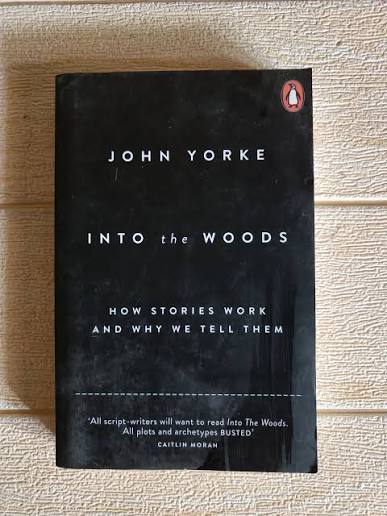
9. Into the Woods by John Yorke
This is a serious and challenging book about how stories work and why we tell them. Three-act and five-act structures, scenes, showing and telling, characterization and dialogue are examined through the screen. Aimed at script writing, this book delivers lessons that can also be applied when writing a novel.
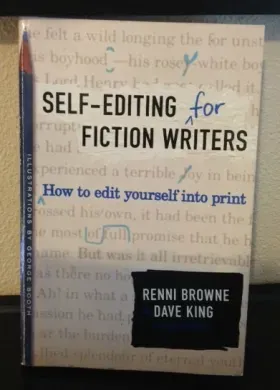
10. Self-Editing for Fiction Writers by Renni Browne and Dave King
This book is not placed last because I rate it last. It is last because it’s a useful read once you have a rough draft of your novel complete. So, this book would be perfect once your first draft is done and you need to knock it into better shape. It covers how to turn your manuscript into a publishable book. There are chapters on show and tell, dialogue, point of view, interior monologue, writers voice… Lots of examples of good and bad versions. You can become your own editor.
I hope you enjoy these books. Which writing books would you recommend?
And when it’s time to write rather than read about writing, FocusMe can block the sites and apps that pull you away for the length of a writing session.
FAQs (Frequently Asked Questions)
What are the best books every writer should read?
Some of the most highly recommended books for writers include On Writing by Stephen King, Bird by Bird by Anne Lamott, The Elements of Style by William Strunk Jr. and E.B. White, and On Writing Well by William Zinsser. These books provide practical advice on writing craft, creativity, and discipline.
Why should writers read books about writing?
Books about writing offer valuable insights into storytelling, structure, editing, productivity, and the writing process. They help writers learn from experienced authors and improve their skills more efficiently.
Is reading important for becoming a better writer?
Yes. Reading exposes writers to different styles, genres, techniques, and perspectives. It helps develop vocabulary, improve sentence structure, and deepen understanding of effective storytelling.
Which book is best for learning creative writing?
Bird by Bird by Anne Lamott is often recommended for creative writers because it provides practical advice, inspiration, and strategies for overcoming common writing challenges.
What book can help writers improve their grammar and style?
The Elements of Style is considered a classic resource for improving grammar, clarity, and writing style. It offers concise rules and guidelines that writers can apply to their work.
Can books help writers overcome writer’s block?
Yes. Many writing books share techniques for generating ideas, building writing habits, and overcoming self-doubt. Reading about other writers’ experiences can provide motivation and fresh perspectives.
How can aspiring authors benefit from reading writing guides?
Writing guides help aspiring authors understand storytelling fundamentals, character development, plot structure, editing techniques, and publishing insights, making the learning process more manageable.
How often should writers read books on writing?
Writers can benefit from revisiting writing books regularly. Reading a few chapters whenever they face a challenge or need inspiration can reinforce important lessons and improve their craft over time.
Are writing books useful for experienced writers?
Absolutely. Even experienced writers can discover new techniques, refine their skills, and gain fresh inspiration from books written by successful authors and writing experts.
What should writers do after reading a writing book?
The most effective approach is to apply the lessons immediately. Practice the techniques, experiment with new ideas, revise your work, and develop a consistent writing routine to turn knowledge into skill.