Prefer to read offline? Download this article as a PDF
As writers we’re addicted to books on ‘how to write’. It’s procrastination of course. If you’re reading a book about how to develop your craft, then you’re working on your writing, right?
Yes, but there must be balance. If you spend too long reading and not getting words on the page, you’ll never finish that novel.
I have more than sixty (yes 60) books teaching me how to write, and that’s without including ones specifically focused on writing a screenplay, writing poetry, writing a memoir. All sixty books are about writing a novel. I ought to be an expert…
It’s difficult to know what type of ‘how to’ book to recommend. Some writers like something practical, whereas others prefer more theoretical/academic tomes, or sometimes you might be searching for inspiration and tips. Making a short list was a challenge, but here goes. I begin with books giving inspiration, move through those aimed at keeping you going and end with polishing your completed rough draft.
Here Are Ten Books I Recommend Every Writer to Read
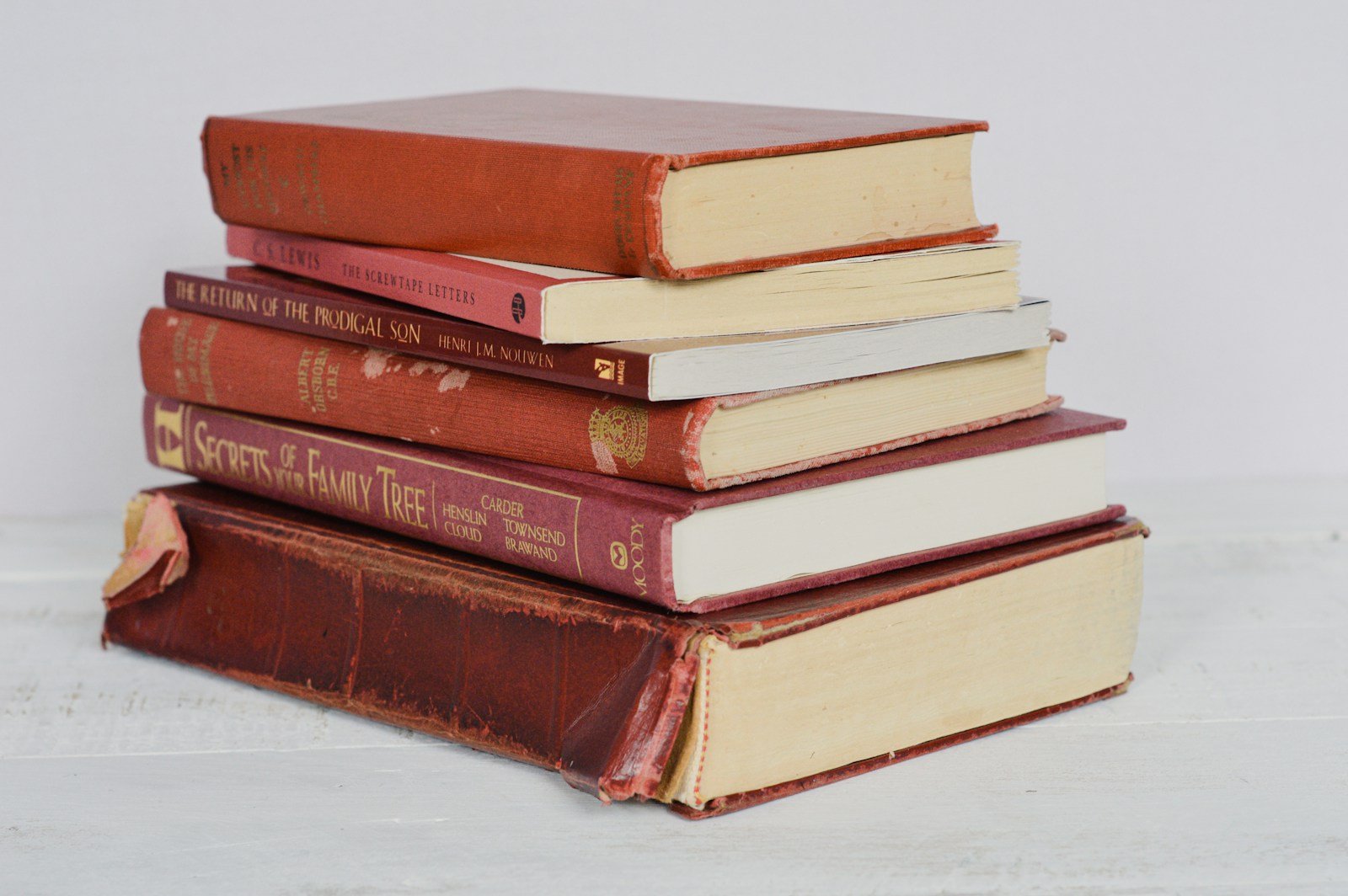
1. Big Magic by Elizabeth Gilbert
Elizabeth Gilbert also wrote Eat Pray Love. If you haven’t already watched Elizabeth’s TED talks you’re missing out. Big Magic is all about creativity and how ideas work. Courage, permission, persistence and trust. This book will become your personal life coach and inspire you to write.
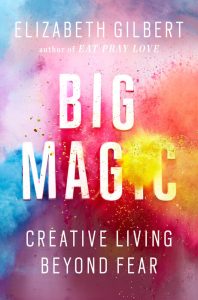
2. Writing Down the Bones by Natalie Goldberg
This book introduced me to writing as practice, a meditative Zen Buddhist exercise to be done every day. Natalie says, ‘write a little every day, fill a notebook each month’. It’s about writing as stream of consciousness, uninhibited, subtracting the rules, letting go. This concept is perfect when you are starting a first draft. Personal reflection rather than action packed, but enjoyable to read, and inspiration at whatever stage in your writing journey.
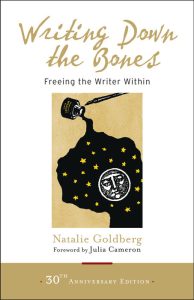
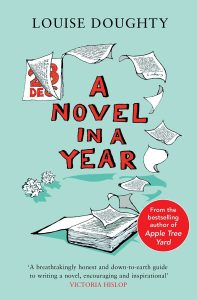
3. A Novel in a Year by Louise Doughty
You may know Louise Doughty: she wrote Apple Tree Yard, the novel behind the highly successful BBC One series. I heard about Louise’s idea to write a novel in a year when I stumbled across her weekly column in the Daily Telegraph. I was working full time and it was helpful to divide the process of writing a novel into weekly tasks. Each week provides a short inspirational article, followed by an activity or practical exercise. By week 18 you’re really thinking about your plot, developing characters and managing your writing time. Spoiler alert: you won’t finish your novel by the end of the year, but I like the idea of breaking things down into manageable bite-sized chunks.
4. Wannabe a Writer? by Jane Wenham-Jones
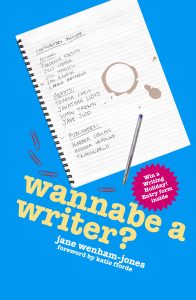
This is a very funny, readable and chatty book full of practical tips and advice:
- How to write when there’s no time
- Planning on a wallpaper roll
- The tedious bits: punctuation and grammar
- Writing as revenge
- Avoiding writer’s bottom
- What to wear at your launch party
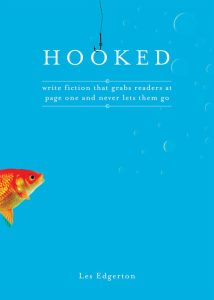
5. Hooked by Les Edgerton
My son bought me this. It explains how to write fiction that grabs the reader from page one. I love the concept, but the book is about so much more than just openings, taking you through inciting incidents, set up, foreshadowing, backstory, introducing characters, transitions, view from the agents’ chair. A pocket-sized bible for the novelist. Very readable and full of examples from book and film. I strongly recommend.
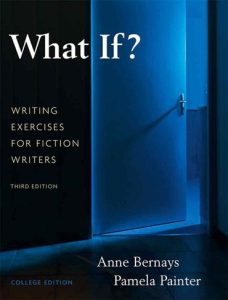
6. What If? by Anne Bernays and Pamela Painter
This is such a useful ‘dip-in’ book. I pull it from my bookcase, open anywhere and I’m immediately sucked in. 83 short chapters covering so many suggestions and exercises, it seems to cover everything. Opening it at random I find ‘speech flavor, sounding real’ (making character voice sound genuine); ‘the inner life of characters’ (respecting your characters’ imagination); ‘changing your life’ (how to convert your own (boring) life experiences into fantastic ideas for stories). Indispensable.
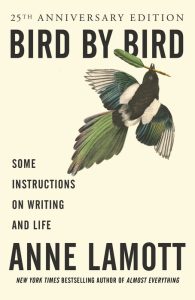
7. Bird by Bird by Anne Lamott
I have had this book recommended to me so many times. This book is a delight to read as it tells a story. It’s about approaching writing one step at a time, ‘bird by bird’. Anne addresses the shitty first draft, false starts, ‘how do you know when it’s done?’ Timeless.
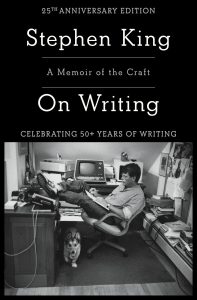
8. On Writing by Stephen King
Stephen King is the master. How could I not include this book? Part biography and part ‘how to’. Another great read packed with useful tips and advice. ‘If you want to be a writer, read a lot and write a lot’. The writer’s toolkit, storytelling, dialogue, revising your work and much more.
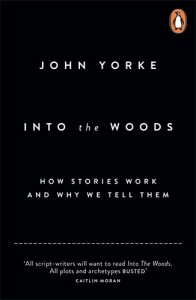
9. Into the Woods by John Yorke
This is a serious and challenging book about how stories work and why we tell them. Three-act and five-act structures, scenes, showing and telling, characterization and dialogue are examined through the screen. Aimed at script writing, this book delivers lessons that can also be applied when writing a novel.
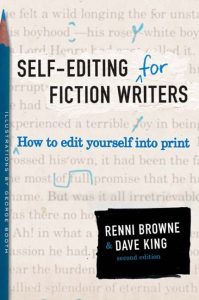
10. Self-Editing for Fiction Writers by Renni Browne and Dave King
This book is not placed last because I rate it last. It is last because it’s a useful read once you have a rough draft of your novel complete. So, this book would be perfect once your first draft is done and you need to knock it into better shape. It covers how to turn your manuscript into a publishable book. There are chapters on show and tell, dialogue, point of view, interior monologue, writer’s voice… Lots of examples of good and bad versions. You can become your own editor.
I hope you enjoy these books. Which writing books would you recommend?
And when it’s time to write rather than read about writing, FocusMe can block the sites and apps that pull you away for the length of a writing session.
FocusMe
Make the focused hour the normal one
Block the sites and apps that pull you off track, on a schedule or a timer, on Windows, Mac, Linux, Android and iPhone.
Start your free 14-day trialNo credit card needed.
FAQs (Frequently Asked Questions)
What are the best books every writer should read?
The ten in this list: Big Magic, Writing Down the Bones, A Novel in a Year, Wannabe a Writer?, Hooked, What If?, Bird by Bird, On Writing, Into the Woods and Self-Editing for Fiction Writers. They run from inspiration, through keeping going, to polishing a finished draft.
Which book should I start with if I need inspiration?
Big Magic by Elizabeth Gilbert, on creativity and how ideas work, or Writing Down the Bones by Natalie Goldberg, which treats writing as a daily practice.
Which book helps with the opening of a novel?
Hooked by Les Edgerton. It covers how to write fiction that grabs the reader from page one, and goes on to inciting incidents, backstory and introducing characters.
Which book helps with editing a first draft?
Self-Editing for Fiction Writers by Renni Browne and Dave King. It is the one to read once a rough draft is complete.
What should writers do after reading a writing book?
The most effective approach is to apply the lessons immediately. Practice the techniques, experiment with new ideas, revise your work, and develop a consistent writing routine to turn knowledge into skill.
First published
Want to talk it through? Join the FocusMe community