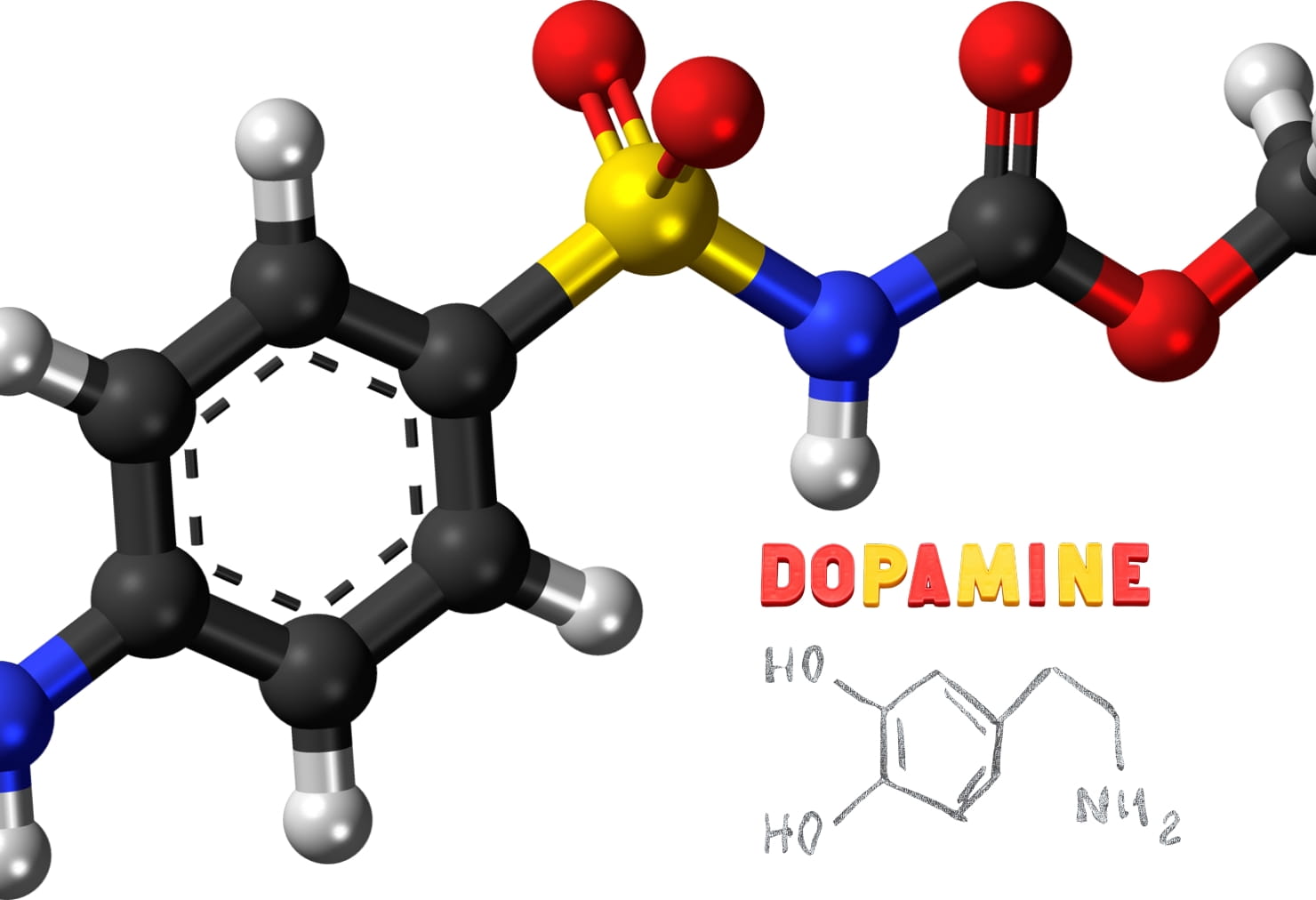
Have you ever picked up your phone without thinking? Maybe you unlocked it to check one message. A few minutes later, you’re scrolling through social media, watching videos or reading posts you didn’t even plan to see.
This happens to almost everyone. Many of our daily habits are driven by the search for the next dopamine hit. Every notification, like, message or new video gives the brain a small reward. Over time, your brain begins to expect these quick rewards throughout the day. Tools like FocusMe can help by limiting distractions and making it easier to build productive daily habits.
Let’s look at why your brain keeps chasing the next dopamine hit and what you can do to break the cycle.
What Is Dopamine Hit?
It’s a natural chemical in your brain that plays a role in motivation, learning and reward. It helps encourage you to repeat activities that feel enjoyable or rewarding.
For example, your brain releases dopamine when you:
- Finish a task
- Learn something new
- Exercise
- Spend time with friends
- Reach a goal
These are healthy rewards. The problem begins when your brain starts getting quick rewards all day from digital devices.
Why Your Brain Keeps Looking for the Next Dopamine Hit
Today’s digital world is full of instant rewards.
Every time you receive:
- A notification
- A text message
- A social media like
- A short video
- A news update
Your brain experiences a small reward. None of these moments seem important on their own. But together, they train your brain to keep looking for the next dopamine hit.
Instead of staying with one task, your attention begins searching for something new every few minutes.
How Constant Stimulation Changes Your Focus
Imagine trying to read a book while someone interrupts you every two minutes. Eventually, reading becomes frustrating. The same thing happens with digital distractions.
When your brain is constantly interrupted, it becomes harder to:
- Stay focused
- Think deeply
- Solve problems
- Remember information
- Finish important work
Over time, even simple tasks can feel mentally exhausting.
Signs Your Brain Is Chasing Constant Rewards
You might notice that you:
- Check your phone without thinking
- Open social media during work
- Keep switching between apps
- Feel bored after only a few minutes of work
- Find yourself opening new browser tabs for no reason
- Struggle to finish one task before starting another
These habits don’t mean you’re lazy. They simply show that your brain has become used to frequent stimulation.
What Is a Dopamine Detox?
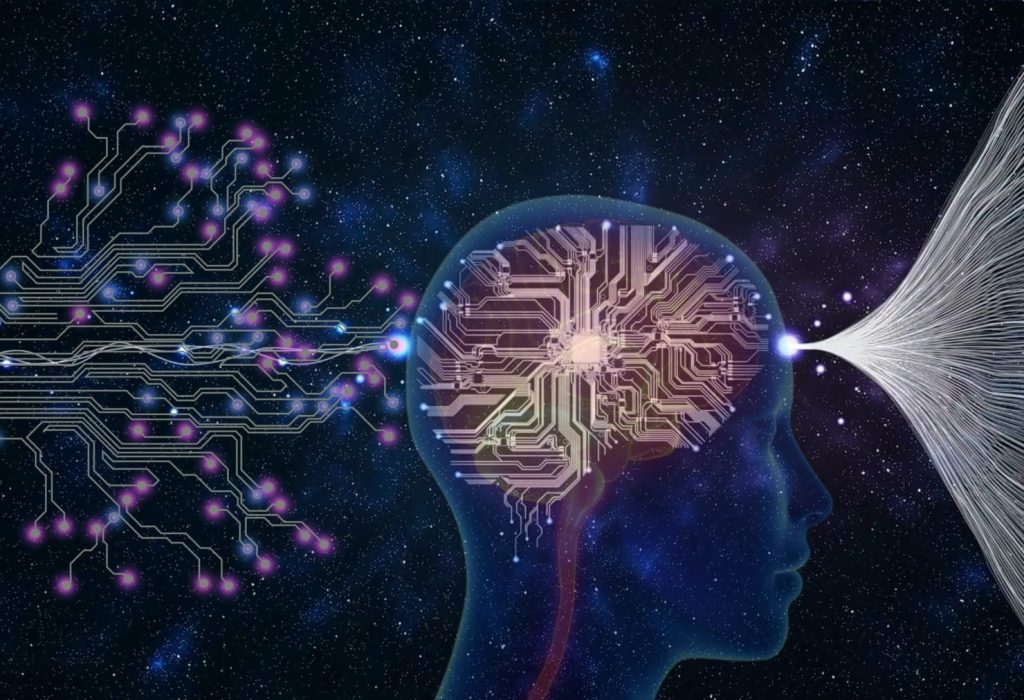
A dopamine detox doesn’t mean removing dopamine from your brain. Instead, it means reducing the activities that constantly stimulate your attention.
This often includes taking breaks from:
- Social media
- Endless scrolling
- Gaming
- Constant notifications
- Unnecessary browsing
The goal is to give your brain a chance to slow down. Without constant digital rewards, your attention gradually becomes steadier.
Download this article as a PDF
What Is a Dopamine Fast?
You may also hear the term dopamine fast. A dopamine fast is a short period where you intentionally avoid activities that provide constant digital stimulation.
For example, you might spend several hours or even a full day without:
- Social media
- Streaming videos
- Gaming
- Constant phone checking
Instead, you spend your time doing activities like:
- Reading
- Walking
- Journaling
- Exercising
- Talking with family
- Working on hobbies
The goal isn’t to punish yourself. It’s to reduce unnecessary stimulation and allow your brain to reset.

Small Changes Make a Big Difference
You don’t have to stop using technology completely. Just make small changes that reduce unnecessary rewards throughout the day.
For example:
- Turn off non-essential notifications.
- Keep your phone out of reach while working.
- Check social media only at certain times.
- Avoid opening multiple apps at once.
- Take regular screen breaks.
These simple habits help your brain become more comfortable with focused work.
Replace Quick Rewards With Meaningful Ones
Instead of relying on digital stimulation, look for healthier rewards.
These might include:
- Finishing a project
- Learning a new skill
- Going for a walk
- Completing a workout
- Spending time outdoors
- Reading a chapter of a book
These activities also trigger dopamine, but in a healthier and more balanced way.
Create an Environment That Supports Focus
Your environment plays a huge role in your habits. If distracting apps are always available, your brain naturally wants to check them.
Instead of depending only on willpower, create an environment that supports better decisions.
You can:
- Close unnecessary tabs.
- Silence notifications.
- Keep only work-related apps open.
- Schedule dedicated focus sessions.
When distractions are reduced, staying focused becomes much easier.
How FocusMe Can Help
Building better habits isn’t always easy, especially when distractions are only one click away.
FocusMe helps remove many of those temptations by allowing you to:
- Block distracting websites
- Limit access to social media
- Schedule focus sessions
- Create work and leisure modes
- Build healthier daily routines
In this way, you stop constantly chasing the next notification. You create an environment where your attention stays on what matters most.
Over time, these small changes help improve both productivity and peace of mind.
Give Your Brain Time to Adjust
Many people expect instant results. But your brain needs time to adapt.
If you’ve spent years checking your phone every few minutes, it may feel uncomfortable at first. That’s completely normal.
The more consistently you reduce distractions, the easier it becomes to focus without constantly looking for another digital reward. Progress comes from small daily improvements.
Final Thoughts
If your brain constantly searches for the next dopamine hit, you’re not alone. Modern technology is designed to capture your attention, making it easy to develop habits of frequent checking and constant stimulation.
The good news is that these habits can change. By trying a dopamine detox, experimenting with a short dopamine fast, and creating a distraction-free environment, you can gradually rebuild your ability to focus.
FocusMe makes this process easier by helping you reduce digital distractions, build healthier routines, and create dedicated time for meaningful work.
You don’t need to remove technology from your life. You simply need to use it in a way that supports your goals instead of interrupting them.
FAQs (Frequently Asked Questions)
Does dopamine detox really work?
Many people find that reducing digital distractions helps them concentrate better and feel less overwhelmed. The key is staying consistent with healthy habits.
Do I have to stop using my phone completely?
No. The goal is to use your phone more intentionally, not to stop using it altogether. Setting limits is often enough to make a difference.
Can a dopamine fast improve productivity?
Yes. Taking short breaks from constant digital stimulation can help you stay focused for longer and make it easier to complete important tasks.
How can FocusMe help?
FocusMe helps you block distracting websites and apps, making it easier to stay focused and build healthier digital habits.
How long should a dopamine detox last?
It can be as short as 30 minutes or as long as a full day. Start with small periods and increase them as you become more comfortable.
Can reducing screen time improve focus?
Yes. Fewer digital distractions give your brain more time to concentrate on one task, making it easier to work or study effectively.
What should I do instead of scrolling?
Try reading, exercising, taking a walk, journaling, or spending time with friends and family. These activities provide healthier ways to relax and recharge.
Why do I keep checking my phone without thinking?
Your brain gets used to quick rewards like notifications and new content. Over time, checking your phone becomes an automatic habit, even when there’s nothing important to see.
Why do social media and notifications feel so hard to ignore?
They give your brain frequent rewards that make you want to come back for more. The more often this happens, the harder it becomes to stay focused on other tasks.
Can reducing digital distractions improve my focus?
Yes. Limiting distractions gives your brain more time to concentrate on one task. With regular practice, it becomes easier to stay focused for longer periods.